
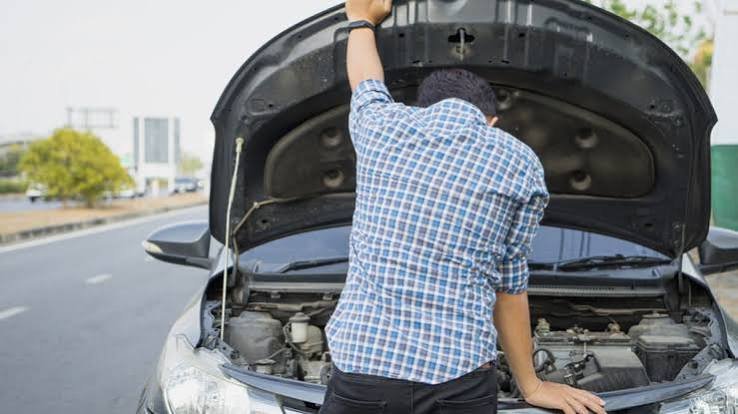
Car problems can happen when you least expect them. Your car might refuse to start in the morning, the engine may make an unusual noise, or the temperature gauge might suddenly rise while driving. These situations can be frustrating, especially when you do not know what is causing the issue.
Understanding common car problems helps drivers recognize warning signs early, make better maintenance decisions, and avoid unnecessary repair expenses. Some problems are minor and easy to resolve, while others require professional attention before they damage important vehicle components.
In this guide, you will learn about common car problems, their possible causes, the warning signs to watch for, and practical steps you can take to keep your vehicle running safely.
What Are the Most Common Car Problems?
Car problems can affect different parts of a vehicle, including the engine, battery, brakes, tires, transmission, and electrical system. Identifying the symptoms is the first step toward finding the correct solution.
Here are some issues drivers commonly experience:
- Engine failing to start
- Battery losing its charge
- Engine overheating
- Check engine light appearing
- Brakes making unusual noises
- Tires losing air pressure
- Poor fuel economy
- Transmission slipping or shifting roughly
- Air conditioning not cooling properly
- Unusual vibrations while driving
Although these problems can have similar symptoms, their causes are not always the same. For example, a car that struggles to start may have a weak battery, a faulty starter motor, or a fuel delivery issue.
Car Problems Caused by a Weak or Dead Battery
A weak battery is one of the most common reasons a vehicle refuses to start. The battery supplies the electrical power needed to start the engine and operate essential electrical systems.
Signs of Battery Problems
You may notice that the engine cranks slowly, the headlights appear dim, or the dashboard lights flicker. In some cases, you might hear clicking sounds when turning the key or pressing the start button.
Extreme temperatures, an aging battery, loose connections, and leaving electrical accessories switched on can contribute to battery trouble.
How to Fix Battery Problems
First, check whether the battery terminals are secure and free from visible corrosion. If the battery is discharged, a jump-start may help, provided you follow the vehicle manufacturer’s instructions.
However, a battery that repeatedly loses its charge should be tested. The alternator may not be charging it properly, or there could be an electrical drain when the vehicle is parked.
Car Problems Related to Engine Overheating
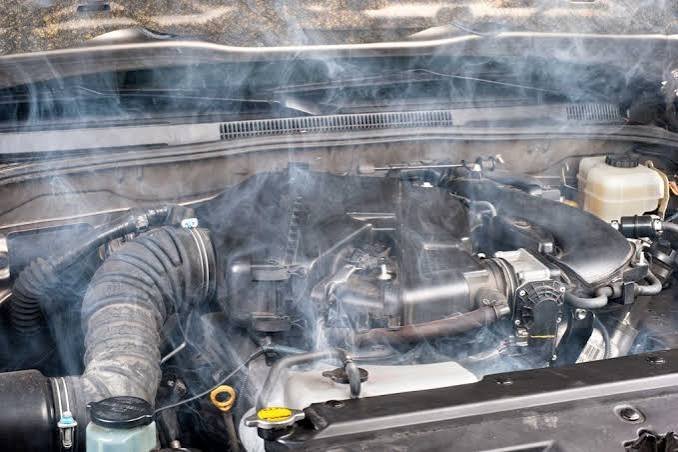
Engine overheating is another serious issue that should never be ignored. An engine needs an effective cooling system to maintain a safe operating temperature.
What Causes an Engine to Overheat?
Low coolant levels, leaks in the cooling system, a malfunctioning thermostat, a damaged radiator, or a faulty cooling fan can cause the temperature to rise.
A broken water pump can also prevent coolant from circulating correctly. If the engine overheats repeatedly, continuing to drive may cause expensive internal damage.
What Should You Do If Your Car Overheats?
If the temperature gauge enters the danger zone or a temperature warning appears, pull over somewhere safe and switch off the engine. Allow it to cool completely before inspecting anything.
Never remove the radiator cap while the engine is hot. Pressurized coolant can cause severe burns.
If the temperature remains high or coolant is leaking, arrange professional assistance rather than continuing your journey.
Car Problems That Cause the Check Engine Light to Turn On
The check engine light warns drivers that the vehicle’s engine management or emissions system has detected a problem.
Sometimes the cause is relatively simple, such as a loose fuel cap. In other cases, the issue may involve an oxygen sensor, ignition coil, spark plug, or another engine component.

How to Identify the Cause
A diagnostic scanner can retrieve trouble codes from the vehicle’s computer. These codes help narrow down the possible cause, but they do not automatically identify the exact faulty part.
For example, a code related to an oxygen sensor does not always mean the sensor itself needs replacing. Other engine problems can produce similar readings.
If the check engine light flashes, especially when the engine runs roughly, reduce engine load and stop driving as soon as it is safe. A flashing light can indicate a misfire that may damage the catalytic converter.
Car Problems Involving Brakes and Tires
Brakes and tires directly affect vehicle control and stopping distance, making them essential for safe driving.
Brake Problems You Should Never Ignore
Squealing, grinding, vibration during braking, or a brake pedal that feels unusually soft can indicate a problem.
Worn brake pads are one possible cause of noise. Grinding may indicate that braking components have worn excessively, while a soft pedal can point to air in the hydraulic system or a fluid leak.
If braking performance changes significantly, stop driving as soon as it is safe and arrange an inspection.
Tire Problems and Uneven Wear
Tires can lose pressure because of punctures, damaged valves, or leaks around the wheel. Incorrect tire pressure can affect handling, braking, fuel consumption, and tire life.
Uneven tire wear may indicate incorrect wheel alignment, improper inflation, or worn suspension components.
Check tire pressure when the tires are cold and follow the pressure recommended on the vehicle’s door-jamb label or owner’s manual. Do not rely solely on the maximum pressure printed on the tire sidewall.
Car Problems That Reduce Fuel Efficiency
If you find yourself visiting the fuel station more often than usual, your vehicle may be consuming more fuel than expected.
Several factors can contribute to poor fuel economy, including underinflated tires, frequent hard acceleration, excessive idling, carrying unnecessary weight, and driving in heavy traffic.
Mechanical issues can also increase fuel consumption. A dragging brake, faulty engine sensor, worn spark plugs in applicable engines, or an engine that does not reach its proper operating temperature may affect efficiency.
To identify the cause, compare your recent fuel consumption with your normal driving pattern. Check tire pressure and maintenance records first. If the change is sudden or accompanied by warning lights, unusual smells, or rough engine performance, have the vehicle inspected.
Car Problems Related to the Transmission
The transmission transfers engine power to the wheels and allows the vehicle to operate at different speeds.
Transmission trouble may cause delayed gear engagement, slipping, rough shifting, unusual noises, or fluid leaks.
Low or contaminated transmission fluid can contribute to problems in some vehicles, but not every transmission uses the same fluid or checking procedure. Some modern transmissions are designed without a conventional dipstick.
If you notice slipping or repeated harsh shifts, consult the owner’s manual and arrange a professional inspection. Avoid adding fluid without confirming the correct specification and level-checking procedure.
Ignoring transmission symptoms can turn a manageable repair into a much more expensive one.
Car Problems With Air Conditioning and Electrical Systems
A car’s air conditioning and electrical systems can also develop faults over time.
If the air conditioner blows warm air, possible causes include low refrigerant from a leak, a faulty compressor, a blocked condenser, or an electrical problem. A technician can identify the issue and check the refrigerant system safely.
Electrical problems may appear as malfunctioning power windows, dashboard warning lights, flickering headlights, or accessories that stop working unexpectedly.
A blown fuse can sometimes explain an electrical failure, but repeatedly replacing a blown fuse without investigating the cause is not a safe solution. Wiring damage, a short circuit, or a faulty component may be responsible.
How to Prevent Common Car Problems
You cannot prevent every mechanical failure, but regular maintenance can reduce the likelihood of unexpected breakdowns.
Follow these practical habits:
- Check engine oil regularly. Maintain the correct oil level and use the grade specified by the manufacturer.
- Inspect coolant levels. Check the cooling system according to the owner’s manual and investigate any repeated coolant loss.
- Maintain the battery. Look for loose connections and have the battery and charging system tested when necessary.
- Monitor tire pressure. Check pressure regularly and inspect the tires for cuts, bulges, and uneven wear.
- Service the brakes. Have unusual noises, pedal changes, or reduced braking performance investigated promptly.
- Follow the maintenance schedule. Replace filters, fluids, spark plugs, and other service items at the recommended intervals.
- Pay attention to warning lights. Learn what your dashboard indicators mean and respond according to the owner’s manual.
Keeping a record of repairs and service dates also helps you identify recurring issues before they become more serious.
When Should You Visit a Mechanic for Car Problems?
Some basic checks can be performed at home, but complicated repairs require the correct tools and technical knowledge.
Seek professional help if the engine overheats repeatedly, the brakes stop working properly, the transmission slips, or warning lights appear alongside unusual noises or poor performance.
Stop driving and arrange roadside assistance if you experience a serious loss of braking, heavy smoke, a strong fuel smell, or an oil pressure warning while the engine is running. Follow the vehicle’s emergency instructions and prioritize your safety.
When visiting a mechanic, describe exactly what happened, when the symptoms started, and whether they occur during acceleration, braking, or cold starts. This information can help narrow down the cause and reduce unnecessary diagnostic work.
Final Thoughts on Car Problems
Car problems are easier to manage when you understand their warning signs and respond before the damage becomes more serious. Battery failures, overheating, brake wear, tire issues, transmission trouble, and electrical faults all require different approaches, so guessing at a repair can waste both time and money.
Regular maintenance, careful driving, and timely inspections can help keep your vehicle dependable. Most importantly, never ignore symptoms that affect braking, steering, engine temperature, or oil pressure.
Knowing when to perform a simple check and when to seek professional help is one of the most useful skills every car owner can develop.





3 Comments
[…] cannot even explain what is wrong with their vehicle because they do not know how different car problems appear or what signs to look […]
[…] vehicles use advanced engineering and electronic technology. This means that some problems cannot be identified through a simple visual inspection. Professional diagnostic equipment may be […]
[…] every Toyota RAV4 experiences the same problems. Some owners drive their vehicles for years with routine maintenance, while others encounter issues […]