
A car’s exterior is one of the first things people notice when they see it. A clean, shiny, and well-maintained vehicle gives a good impression, but daily driving can slowly damage its appearance. Sunlight, rain, road dust, scratches, stone chips, bird droppings, and minor accidents can all affect the original paint. Over time, even a well-maintained vehicle may start looking old because its paint loses its shine or develops visible damage.
This is where paintwork car services become important. Professional car paintwork can restore the vehicle’s appearance, repair damaged areas, and provide an additional layer of protection against environmental conditions. However, repainting is not always necessary. Sometimes, a small scratch can be repaired with polishing or touch-up paint instead of repainting an entire panel.
Understanding different paintwork options helps car owners make better decisions. In this guide, we will explain what car paintwork is, why it is needed, its benefits and disadvantages, the painting process, and how to maintain a freshly painted vehicle.

What Is Paintwork Car?
Paintwork car refers to the process of applying, repairing, or restoring paint on a vehicle’s exterior body panels. It can involve repairing small scratches, repainting a damaged door, restoring faded paint, or giving the entire vehicle a completely new colour.
Car paintwork is more than simply spraying paint over a damaged surface. A professional job requires proper cleaning, sanding, surface preparation, primer application, colour matching, painting, and clear coating.
Modern vehicles usually have multiple paint layers. These layers work together to provide colour, shine, and protection.
The main layers include:
- Primer: Helps the paint stick to the vehicle’s surface and protects the metal from corrosion.
- Base Coat: Provides the actual colour of the vehicle.
- Clear Coat: Creates a glossy finish and protects the colour underneath from environmental damage.
The quality of these layers plays an important role in how long the paintwork lasts.
Why Should You Get Car Paintwork Done?
Many car owners delay repainting because they believe it is only necessary to improve appearance. However, damaged paint can sometimes create bigger problems if left untreated.
Here are some common reasons why car paintwork may be necessary.
1. To Repair Scratches and Visible Damage
Small scratches can happen while parking, driving through narrow streets, or opening doors near other vehicles. Some scratches only affect the clear coat, while deeper ones can reach the primer or metal underneath.
If the damage is deep enough to expose bare metal, moisture can eventually cause rust. Professional paintwork helps restore the damaged area and prevents the problem from becoming worse.
2. To Restore Faded Paint
Vehicles regularly exposed to direct sunlight may experience paint fading. Ultraviolet rays gradually damage the paint’s clear coat and affect its original colour.
Red, black, and other darker-coloured vehicles can sometimes show fading more visibly.
Depending on the condition, polishing may restore some shine. However, severely damaged or peeling paint may require professional repainting.
3. To Repair Accident Damage
Minor accidents can leave dents, scratches, and damaged paint on doors, bumpers, bonnets, and other body panels.
After repairing the damaged bodywork, matching paint is applied to make the repaired area blend with the rest of the vehicle.
4. To Improve the Vehicle’s Appearance
Some owners choose car paintwork because they want their older vehicle to look fresh again. A professional paint job can improve its overall appearance and make it look better maintained.
5. To Protect Exposed Metal Surfaces
When paint is removed completely from a metal panel, the exposed surface becomes more vulnerable to moisture and corrosion.
Proper preparation, primer, and paint help protect the repaired area from further environmental damage.
Different Types of Car Paintwork
Not every paint problem requires a complete repaint. The correct service depends on the type and severity of the damage.
1. Touch-Up Paint
Touch-up paint is used for very small scratches, chips, and minor paint damage. It is generally applied to limited areas instead of repainting an entire panel.
It is an affordable option when the damage is small. However, the repaired spot may remain slightly visible if the colour match is not accurate.
2. Panel Repainting
Panel repainting involves painting one damaged section of the vehicle, such as a door, bonnet, fender, or bumper.
It is useful when the damage is too large for touch-up paint but does not require repainting the entire car.
Professional colour matching is important because the new paint should blend naturally with the surrounding panels.
3. Full Car Repainting
Full car repainting involves removing or preparing the existing finish and applying new paint across the vehicle’s exterior.
This option may be suitable when the original paint is badly faded, peeling, or damaged across several panels.
A complete repaint generally costs more and takes longer than repairing a single panel.
4. Paint Correction
Paint correction is different from repainting. It uses polishing techniques to reduce or remove surface imperfections such as swirl marks, light scratches, and oxidation.
It can restore gloss without applying a completely new layer of colour.
However, deep scratches that reach the base coat or metal cannot usually be fixed through polishing alone.
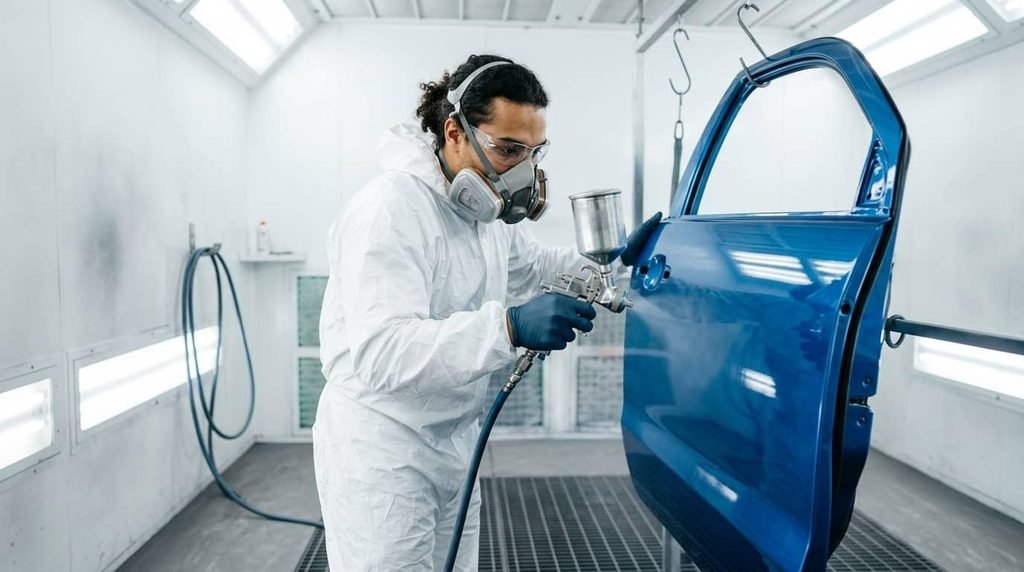
How Is Professional Car Paintwork Done?
A good paint finish depends heavily on preparation. Even expensive paint products may produce poor results if the surface is not prepared correctly.
Here is how a professional paintwork process generally works.
Step 1: Inspecting the Vehicle
The first step is checking the vehicle’s exterior condition. A professional painter examines scratches, dents, rust, faded areas, and previous paint repairs.
This inspection helps determine whether the car needs minor repair, panel repainting, or a complete paint job.
Step 2: Cleaning the Surface
The damaged area is cleaned to remove dust, grease, road dirt, and other contaminants.
A clean surface is important because dirt or oil can prevent the new paint from sticking properly.
Step 3: Sanding and Surface Preparation
The affected area is sanded to remove loose paint and create a smooth surface. If dents are present, body filler may be used to restore the panel’s shape.
The surface is then prepared for primer.
Step 4: Applying Primer
Primer creates a suitable base for the paint and helps improve adhesion.
It also provides protection against corrosion when the underlying metal has been properly prepared.
Step 5: Colour Matching and Painting
The painter selects a colour that matches the vehicle’s original finish. Manufacturers often use specific paint codes to identify factory colours.
The base coat is applied carefully, usually in multiple thin layers rather than one thick layer.
Step 6: Applying Clear Coat
Once the colour coat is ready, a clear coat is applied to provide gloss and an additional protective layer.
This step helps give the vehicle a smooth and attractive finish.
Step 7: Drying and Final Inspection
The paint needs sufficient time to dry and cure according to the paint manufacturer’s instructions.
Afterward, the painter checks the finish for uneven colour, dust particles, paint runs, and other imperfections.
A properly completed job should have an even appearance and a smooth finish.

Benefits of Professional Car Paintwork
Getting professional paintwork can provide several advantages, especially when the original paint has become damaged.
1. Improves Exterior Appearance
One of the biggest benefits is restoring the vehicle’s appearance. Scratches, faded sections, and damaged panels can make a car look older than it actually is.
Fresh paint can give the exterior a cleaner and more attractive finish.
2. Helps Prevent Rust
When metal is exposed due to deep paint damage, moisture can lead to corrosion.
Repairing the damaged area and applying suitable primer and paint helps protect the exposed surface.
3. Supports Resale Presentation
A vehicle with a clean and properly maintained exterior may attract more attention from potential buyers.
However, repainting does not automatically increase a car’s market value. Buyers may also check whether the vehicle has been involved in an accident or has undergone major body repairs.
4. Allows Colour Customisation
Some car owners choose a different colour to personalise their vehicles.
Depending on local regulations, changing the vehicle’s registered colour may require updating its official documents.
5. Repairs Previous Paint Damage
Professional repainting can correct peeling, uneven colour, and poorly repaired areas when the underlying surface is properly prepared.
Disadvantages of Car Paintwork
Although professional paintwork offers several benefits, it also has some disadvantages that car owners should understand before making a decision.
1. It Can Be Expensive
The cost depends on the vehicle’s size, paint quality, number of panels, labour, and amount of preparation required.
A full repaint is generally more expensive than repairing one damaged panel.
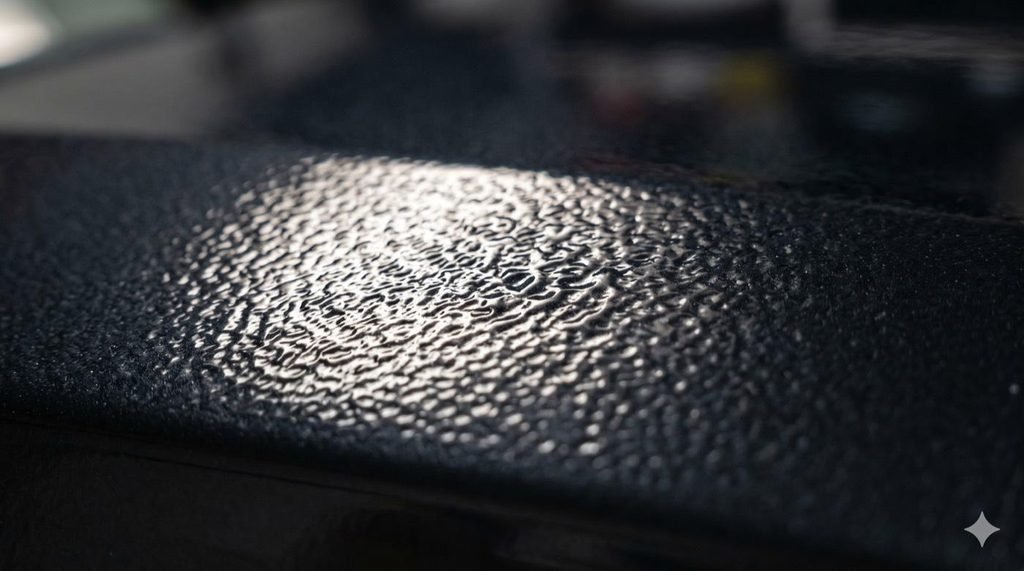
2. Poor Quality Work Can Reduce Appearance
An inexperienced painter may use the wrong colour, apply uneven coats, or leave visible paint marks.
This can make the repaired area look different from the original finish.
3. Original Factory Paint May Be Lost
When a vehicle receives a complete repaint, its original factory finish is replaced.
Some used-car buyers prefer vehicles with original paint because it can provide useful information about the vehicle’s history.
4. It Takes Time
Professional paintwork is not always completed in a few hours. Surface preparation, repairs, painting, and curing can take several days depending on the job.
5. Incorrect Painting Can Cause Future Problems
If the painter does not prepare the surface correctly, the new paint may peel, bubble, or develop other defects.
This is why choosing an experienced professional is important.
How Much Does Car Paintwork Cost?
There is no single price for every vehicle. The final cost depends on the amount of damage and the type of paintwork required.
The main factors include:
- Vehicle size and body design.
- Number of panels requiring paint.
- Type and quality of paint.
- Labour charges.
- Dent removal and body repair requirements.
- Rust treatment and surface preparation.
- Colour complexity and finishing requirements.
For example, repairing a small scratch will usually cost less than repainting an entire door. A complete colour change can be even more expensive because it may require additional preparation and painting around door openings and other visible areas.
Before approving the work, ask the workshop for a written estimate explaining the materials, labour, repair work, and warranty if available.
How to Choose the Right Car Paintwork Professional
Choosing the right workshop is just as important as selecting the paint.
Before handing over your vehicle, consider these points:
Check Previous Work: Ask to see photographs or examples of vehicles the workshop has painted. Look for even colour, smooth finishing, and consistent gloss.
Ask About Paint Quality: Find out which paint system and clear coat the workshop uses. Good materials can contribute to a longer-lasting finish when applied correctly.
Discuss Colour Matching: Ask how the workshop will match your vehicle’s original colour, especially if only one panel needs repainting.
Understand the Preparation Process: A professional should explain how dents, rust, scratches, and old paint will be treated before painting.
Ask About Warranty: Check whether the workshop offers a warranty against paint defects such as peeling or bubbling.
Do not choose a workshop based only on the lowest price. Poor preparation can create additional expenses later.
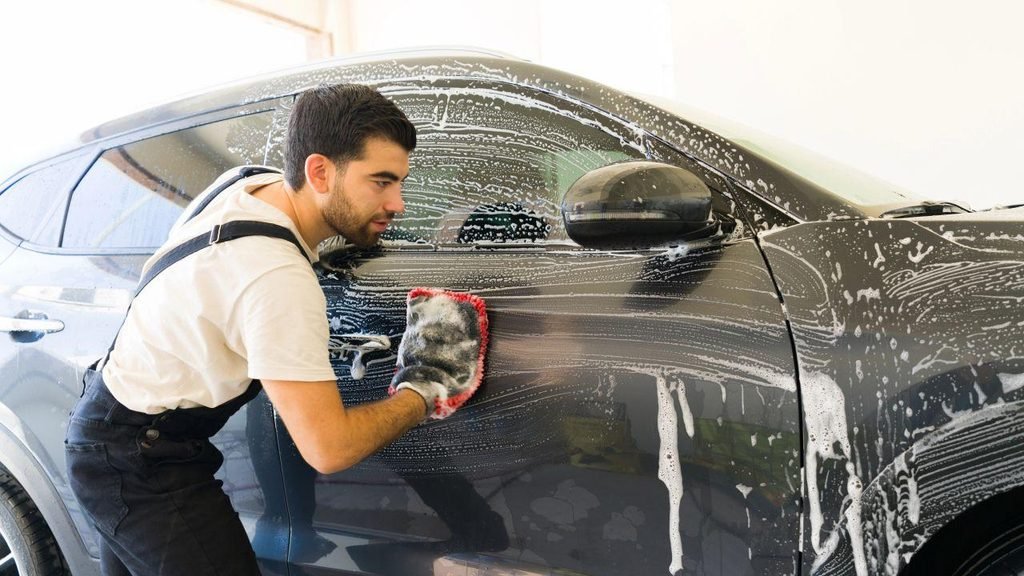
How to Maintain Your Car After Paintwork
Freshly painted vehicles need proper care. Following the paint manufacturer’s recommendations is particularly important during the initial curing period.
Here are some useful maintenance tips:
- Follow Washing Instructions: Ask the painter when it is safe to wash the vehicle. Avoid washing too early if the paint has not fully cured.
- Use Suitable Car Shampoo: Choose a pH-balanced car shampoo instead of strong household cleaning products.
- Avoid Harsh Scrubbing: Use a clean microfiber wash mitt to reduce the risk of scratches.
- Park in Covered Areas: Shade or covered parking helps reduce direct sunlight exposure.
- Clean Bird Droppings Quickly: Bird droppings can damage the clear coat if left on the surface for too long.
- Avoid Automatic Car Washes Initially: Follow the painter’s advice about when the vehicle can safely go through an automatic wash.
- Inspect the Paint Regularly: Check for peeling, bubbling, or new scratches so that small problems can be addressed early.
Is Car Paintwork Worth It?
Yes, car paintwork can be worth the investment when the vehicle has noticeable paint damage, faded panels, deep scratches, or exposed metal.
However, repainting is not always the best solution. If your vehicle only has light swirl marks or minor surface scratches, paint correction may be a better and more affordable option.
Before spending money, understand the actual condition of your vehicle and compare the available repair options.
For used-car owners, it is also important to keep records of repainting work. If you plan to sell the vehicle later, being honest about repaired or repainted panels can help build trust with potential buyers.
Final Thoughts
Car paintwork is an important part of maintaining a vehicle’s exterior. It can improve appearance, repair damaged panels, and help protect exposed metal surfaces from corrosion. However, the quality of the final result depends on proper preparation, suitable paint materials, accurate colour matching, and professional application.
Whether you need a small scratch repaired or a complete repaint, always understand the condition of your vehicle before choosing a service. A good paint job should not only look attractive but also provide a durable finish that can be maintained with regular care.
At AutoBasic Labs, our goal is to help car owners understand vehicle maintenance and make informed decisions before spending money on repairs or upgrades.