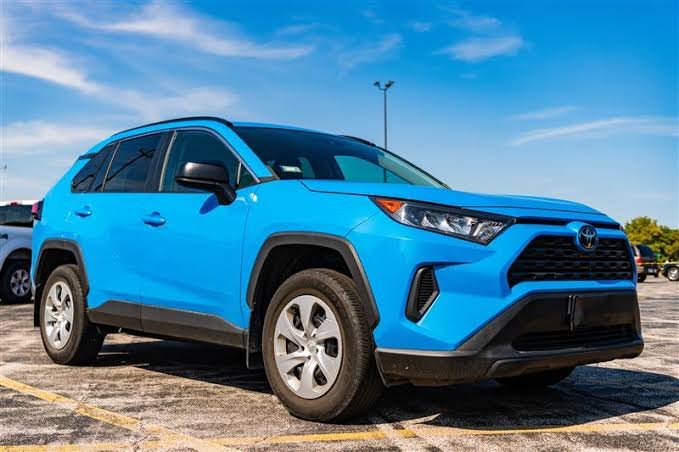
The Toyota RAV4 is a popular compact SUV in the United States, thanks to its practical design, comfortable driving experience, and reputation for reliability. Many people consider buying a new or Toyota RAV4 because they want a vehicle that can handle daily commuting, family trips, and long-distance driving without unnecessary trouble.
However, like any vehicle, the RAV4 can develop mechanical or electrical problems. The type of issue can depend on the model year, mileage, maintenance history, and whether you choose the gasoline, hybrid, or plug-in hybrid version.
Understanding Toyota RAV4 common problems before buying one can help you make a better decision and avoid unexpected repair expenses. This guide explains the issues worth checking, the warning signs to watch for, and what owners should know before visiting a dealership.
Toyota RAV4 Common Problems: What Should Owners Know?
Not every Toyota RAV4 experiences the same problems. Some owners drive their vehicles for years with routine maintenance, while others encounter issues with electronics, engine components, steering, or other systems.
Consumer Reports identifies in-car electronics among the potential trouble areas reported by some 2025 RAV4 owners. Separately, the National Highway Traffic Safety Administration (NHTSA) maintains official safety recall information for affected vehicles. These are different types of evidence: an owner-reported issue does not automatically mean every vehicle has a defect. Source: Consumer Reports and NHTSA Recalls.
Before purchasing a used model, focus on its individual condition rather than assuming that every vehicle from a particular year will have the same faults.
1. Toyota RAV4 Engine Problems
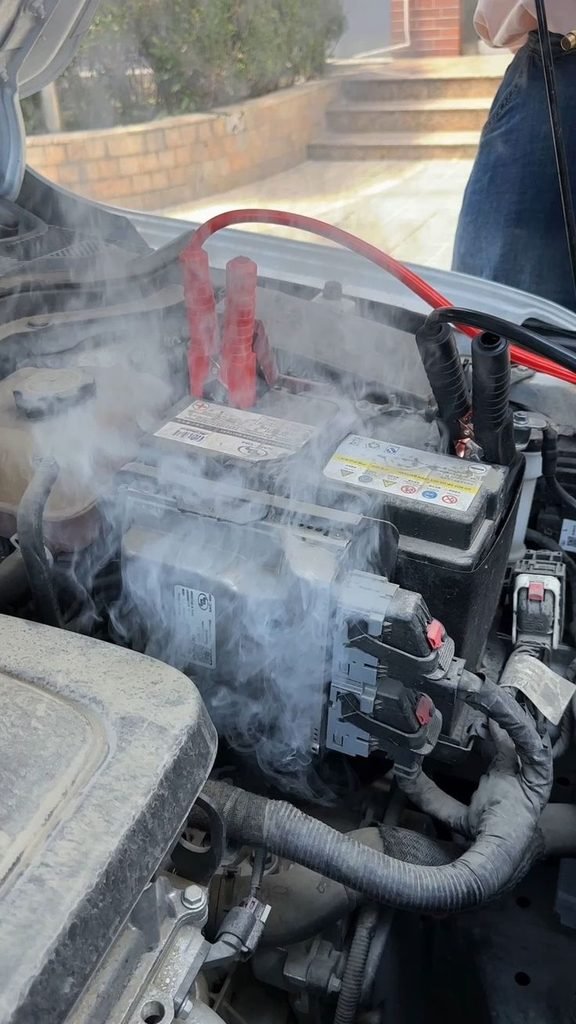
Engine concerns are among the first things used-car buyers should investigate. Depending on the vehicle and its history, warning signs may include unusual knocking sounds, rough idling, overheating, warning lights, or visible fluid leaks.
Some 2019–2020 RAV4 vehicles were included in a recall involving engine casting porosity, which could lead to coolant leakage and potentially cause overheating or engine stalling. The recall applied to specific vehicles, not automatically to every RAV4 from those years. Recall information.
If you are considering a used RAV4, ask the seller about previous engine repairs and check the maintenance records. During a test drive, pay attention to unusual noises and warning lights. A qualified mechanic can inspect the cooling system and scan the vehicle for diagnostic trouble codes.
Never ignore repeated overheating or an oil-pressure warning. These symptoms can indicate a problem that needs immediate attention.
2. Toyota RAV4 Transmission Problems
Transmission performance is another area worth checking when researching Toyota RAV4 common problems.
Possible warning signs include delayed engagement, unexpected shifting, slipping, unusual noises, or hesitation during acceleration. These symptoms do not always indicate a failed transmission; they can also result from other mechanical or electronic issues.
Some owners have reported transmission-related concerns, particularly when discussing certain model years. However, an individual complaint does not establish how frequently a problem occurs across all RAV4 vehicles.
During a test drive, accelerate gently and then at normal highway speeds where it is safe and legal. Notice whether the vehicle shifts smoothly and responds consistently.
If the SUV jerks repeatedly, makes unusual noises, or struggles to accelerate, have it inspected before agreeing to buy it. Transmission repairs can be expensive, so a professional diagnosis is better than relying on a seller’s explanation alone.

3. Toyota RAV4 Electrical Problems
Electrical problems can be frustrating because they may affect several different features. Depending on the vehicle, symptoms can include warning lights, inconsistent dashboard displays, malfunctioning sensors, or accessories that stop working unexpectedly.
A recall announced in 2025 covered certain 2023–2025 RAV4 vehicles, among other Toyota models, because an instrument-panel software error could prevent important information from appearing at startup. The affected vehicles and remedies are described in the official recall information. Source: NHTSA recall report.
When inspecting a used RAV4, start the vehicle and check that the dashboard warning lights behave normally. Test the infotainment system, climate controls, power windows, parking sensors, and other available equipment.
If several electrical features behave strangely, a mechanic may need to check the battery, charging system, wiring, and stored diagnostic codes.
4. Toyota RAV4 Infotainment and Connectivity Problems
Modern RAV4 models offer technology features designed to make driving more convenient. However, some owners have reported issues with infotainment functions, phone connectivity, and smartphone integration.
For example, Consumer Reports includes in-car electronics among the potential trouble spots reported by some 2025 RAV4 owners. This does not mean every vehicle has a faulty infotainment system.
Before buying, connect your phone and test Apple CarPlay or Android Auto if available. Check navigation, audio, Bluetooth calling, the backup camera, and the touchscreen.
If the screen freezes or repeatedly disconnects from your phone, ask whether a software update is available. Persistent issues should be investigated before purchase, particularly if the vehicle is still covered by a warranty.
5. Toyota RAV4 Steering Problems
Steering deserves special attention because it directly affects vehicle control.
Certain 2019–2020 RAV4 vehicles were included in a recall involving electric power steering assistance. A loss of steering assistance can make the vehicle more difficult to steer, especially at lower speeds. The recall applied to specified vehicles and should be checked using the vehicle identification number (VIN).
During an inspection, watch for unusual steering resistance, vibrations, warning lights, or unexpected changes in steering feel.
If steering suddenly becomes difficult or inconsistent, do not continue driving unnecessarily. Arrange a professional inspection.
Never assume that a steering issue is harmless simply because the vehicle still moves normally.
6. Toyota RAV4 Hybrid Battery and Electrical-System Concerns
The RAV4 Hybrid combines a gasoline engine with an electric motor and a high-voltage hybrid battery. This setup can help reduce fuel consumption, but buyers should understand the additional components involved.
Potential warning signs include hybrid-system alerts, unexpected changes in performance, or problems starting the vehicle. A weak 12-volt auxiliary battery can also cause starting or electrical symptoms and should not automatically be confused with a failed high-voltage hybrid battery.
Battery condition, driving conditions, age, and maintenance history all matter.
If you are buying a used RAV4 Hybrid, ask a qualified technician to check the hybrid system and scan for relevant diagnostic codes. Request documentation for any previous battery repairs.
Do not attempt to inspect or repair high-voltage hybrid components yourself. These systems require appropriate training and equipment.
7. Toyota RAV4 Suspension and Steering-Noise Problems
A RAV4 should feel reasonably stable and predictable on normal roads. Clunking noises, excessive bouncing, uneven tire wear, or vibrations may indicate suspension, tire, wheel, or alignment concerns.
Certain 2019–2020 vehicles were also included in a recall involving front lower control arms. The affected components could break under specified circumstances, creating a safety risk.
When checking a used SUV, listen for repeated knocks over bumps and examine the tires for uneven wear. A test drive on different road surfaces can help reveal symptoms that are difficult to notice while the vehicle is parked.
However, noise alone cannot identify the failed component. Have a mechanic inspect the suspension and steering system before deciding whether repairs are necessary.
8. Toyota RAV4 Cooling-System and Fluid-Leak Problems
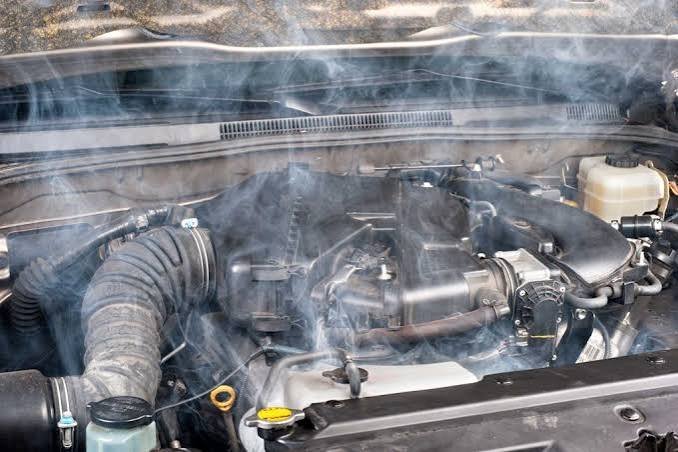
Cooling-system problems can become serious if they cause the engine to overheat. Signs to investigate include low coolant levels, visible leaks, repeated temperature warnings, or an unusual sweet smell near the engine compartment.
As mentioned earlier, certain 2019–2020 RAV4 vehicles were covered by a recall involving engine casting porosity and potential coolant leakage.
Check the service history for cooling-system repairs and ask whether any relevant recall work has been completed.
Never open a hot cooling system. Pressurized coolant can cause severe burns. If the engine overheats, stop somewhere safe and follow the owner’s manual instructions rather than continuing the journey.
A mechanic can pressure-test the cooling system and determine whether a leak exists.
9. Toyota RAV4 Common Problems Related to Recalls
Safety recalls are especially important when buying a used vehicle in the United States. A recall means a manufacturer or safety regulator has identified a specific safety-related defect or compliance issue affecting certain vehicles.
It does not mean that every vehicle of the same make or model year is affected.
For example, Toyota announced a recall in 2025 covering certain vehicles with panoramic-view-monitor systems because a software error could cause the rearview camera to freeze or display a blank screen. The campaign covered specified Toyota, Lexus, and Subaru vehicles, and the exact vehicle eligibility should be checked through the official recall records.
You can check your vehicle using the NHTSA Recall Lookup. Enter the VIN to find unrepaired safety recalls associated with that specific vehicle.
Before buying, ask the dealer or seller for recall repair documentation. Eligible recall repairs are generally performed without charge by the manufacturer, but confirm the remedy with an authorized dealer.When researching Toyota RAV4 common problems, it is important to understand that not every model has the same reliability concerns. Some RAV4 owners may experience minor electrical issues, while others may need to investigate engine, transmission, or cooling-system concerns. The model year, mileage, maintenance history, and previous repairs can all affect a vehicle’s condition. Knowing these Toyota RAV4 common problems can help buyers identify warning signs and choose a used SUV more carefully.
SEO Slide: Toyota RAV4 Common Problems at a Glance
Toyota RAV4 Common Problems — 9 Things to Check Before Buying
- Engine concerns: Check for overheating, coolant leaks, and unusual noises.
- Transmission concerns: Watch for repeated hesitation, slipping, or harsh shifting.
- Electrical problems: Check warning lights and dashboard functions.
- Infotainment issues: Test the touchscreen, Bluetooth, and smartphone connectivity.
- Steering concerns: Investigate unusual resistance or warning lights.
- Hybrid-system concerns: Have the hybrid battery and electrical system inspected.
- Suspension issues: Listen for clunking and check for uneven tire wear.
- Cooling-system problems: Look for evidence of coolant loss or overheating.
- Safety recalls: Check the VIN and confirm that required repairs are complete.
Before you buy: Review the service history, take a careful test drive, and arrange an independent pre-purchase inspection.
How to Avoid Toyota RAV4 Common Problems Before Buying
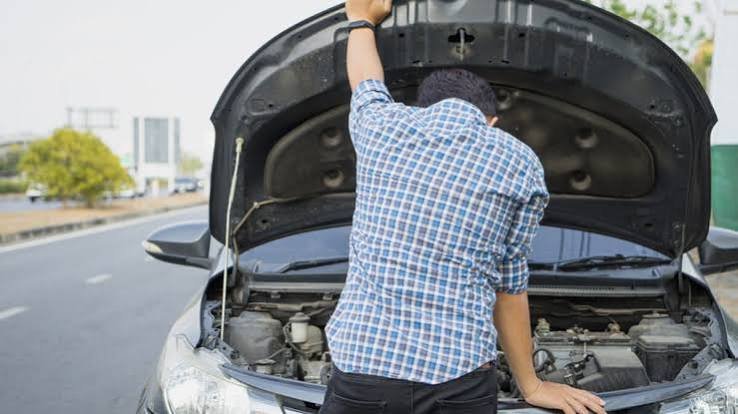
Knowing the potential problems is useful, but the next step is learning how to reduce your risk when shopping for a used SUV.
Start by comparing the asking price with similar vehicles of the same model year, trim, mileage, and condition. A lower price is not necessarily a bargain if the vehicle needs major repairs.
Next, request maintenance records and ask about previous accidents, engine repairs, transmission work, and warning lights. Check the VIN for open safety recalls and verify that the vehicle’s title and ownership documents are legitimate.
Arrange an independent pre-purchase inspection. A qualified mechanic can inspect the engine, transmission, brakes, suspension, tires, cooling system, and electrical components. Hybrid models may require additional diagnostic checks.
Finally, take a test drive before making a decision. Test the vehicle from a cold start if possible, observe its behavior in normal traffic, and check for unusual noises or warning lights.
These steps cannot guarantee a problem-free vehicle, but they can help you identify warning signs before spending your money.
Is the Toyota RAV4 Still Worth Buying?
The Toyota RAV4 can be a practical choice for drivers who need a compact SUV for commuting, family use, and everyday travel. However, reliability should be evaluated at the individual vehicle level rather than based only on the Toyota badge.
A well-maintained RAV4 with documented service history may be a better purchase than a newer vehicle with neglected maintenance or unresolved safety concerns.
When comparing used models, pay attention to mileage, maintenance records, recall status, previous repairs, and the results of an independent inspection. These details can tell you more about a particular SUV than its model year alone.
Final Thoughts on Toyota RAV4 Common Problems
Researching Toyota RAV4 common problems is a sensible step before buying a new or used SUV. Engine and cooling-system concerns, transmission symptoms, electrical faults, infotainment issues, and certain recall-related defects are all worth understanding.
Not every RAV4 will experience these problems, and the issues that matter most depend on the specific model year and vehicle history.
For buyers in the USA, the most practical approach is simple: check the VIN for recalls, review the service records, test the vehicle carefully, and arrange a professional inspection before purchasing.
A little research before the sale can help you make a more informed decision and reduce the risk of unexpected repair costs later.