
Searching for a car dealership near me is often the first step when you want to buy a new car, purchase a used vehicle, trade in your existing car, or get professional help with a vehicle problem. However, finding a dealership nearby does not automatically mean you have found the right place. A good dealership should offer reliable vehicles, transparent pricing, professional assistance, and proper customer support.
Many people visit a dealership without knowing what questions to ask or what they should check before making a decision. Some customers cannot even explain what is wrong with their vehicle because they do not know how different car problems appear or what signs to look for.
This guide will help you understand how to find a reliable car dealership, what to check before visiting, how to identify common vehicle problems, and how to communicate with dealership staff. Whether you are buying your first car or looking for professional automotive assistance, knowing these things can help you avoid unnecessary expenses and make better decisions.

1. How to Find a Reliable Car Dealership Near Me
When you search for a car dealership near me, search engines usually show nearby dealerships based on your location. You may see vehicle sellers, authorized brand dealerships, used car dealers, and automotive service centers.
But how do you decide which one is worth visiting?
Start by checking the dealership’s basic information. Look at its business address, contact number, working hours, available services, and customer reviews. A professional dealership should provide clear information about the vehicles and services it offers.
Here are some important things to consider:
- Customer reviews: Read recent customer experiences to understand how the dealership treats buyers.
- Vehicle selection: Check whether the dealership offers the type of car you want.
- Pricing transparency: Compare advertised prices with other dealerships.
- Warranty information: Ask whether the vehicle comes with a warranty or additional protection.
- Customer service: Notice whether staff members answer questions clearly instead of pressuring you to purchase.
- Vehicle history: For used cars, ask about previous ownership, accidents, and maintenance records.
Do not choose a dealership simply because it is the closest one. A slightly longer drive may be worthwhile if another dealership offers better vehicle information, customer service, and pricing.
2. Understand What Type of Dealership You Need
Before visiting a dealership, understand what kind of assistance you actually need. Not every dealership provides the same services.
New Car Dealership
New car dealerships sell vehicles directly from manufacturers or authorized distribution networks. They may offer financing options, manufacturer warranties, maintenance packages, and test drives.
If you are interested in a new Toyota, BMW, Honda, Ford, or another brand, check whether the dealership is authorized to sell that manufacturer’s vehicles.
Used Car Dealership
Used car dealerships sell previously owned vehicles. These dealerships can provide more affordable options, but buyers should pay extra attention to vehicle condition and history.
Before purchasing, ask for:
- Previous ownership information.
- Accident and repair history.
- Service and maintenance records.
- Mileage verification.
- Vehicle title information.
- An independent mechanical inspection.
A clean-looking vehicle does not necessarily mean it is mechanically reliable.
Certified Pre-Owned Dealership
Certified pre-owned vehicles are generally used cars that have passed specific inspection and certification requirements established by a manufacturer or dealership program.
However, certification conditions vary. Always ask what the inspection covers, whether a warranty is included, and what exclusions apply.
Dealership Service Department
Sometimes you are not looking to buy a car. You may simply need help with an existing vehicle.
An authorized dealership service department can provide manufacturer-specific maintenance, diagnostic services, software updates, and repairs.
Understanding these differences helps you choose the right place instead of wasting time visiting dealerships that cannot provide the service you need.
3. Check These 8 Things Before Visiting a Car Dealership
A little preparation can make your dealership visit much easier. Whether you are buying a vehicle or requesting professional assistance, check these things first.
1. Know your budget
Decide how much you can comfortably spend. If you plan to finance a vehicle, consider the down payment, monthly payments, interest, insurance, taxes, and registration fees.
2. Research the vehicle
Learn about the vehicle’s model, engine options, fuel economy, safety features, and common problems.
3. Compare dealership prices
Contact more than one dealership to understand the market price. Do not assume the first advertised price is the final amount.
4. Check dealership reviews
Look for repeated complaints about hidden charges, poor communication, or unresolved customer issues.
5. Prepare your documents
If you are buying a vehicle, ask which identification, financial, insurance, and registration documents are required.
6. Ask about vehicle availability
Call before visiting to confirm that the specific model or service is available.
7. Prepare your questions
Write down the things you want to know. This prevents you from forgetting important details during the visit.
8. Arrange a test drive or inspection
If you are purchasing a vehicle, request a proper test drive. For a used vehicle, consider an independent inspection before completing the purchase.

4. How to Identify Common Car Problems Before Visiting a Dealership
One of the biggest challenges for car owners is explaining a vehicle problem. Many people know that something is wrong, but they cannot identify the symptoms or describe them correctly.
You do not need to become a professional mechanic. However, understanding basic warning signs can help you explain the issue more accurately.
Engine Problems
The engine is one of the most important parts of your vehicle. If it develops a problem, you may notice changes in performance, sound, temperature, or fuel consumption.
Common warning signs include:
- Unusual knocking or ticking sounds.
- Difficulty starting the engine.
- Excessive exhaust smoke.
- Sudden loss of engine power.
- Engine overheating.
- Rough idling or unusual vibrations.
- Check Engine warning light.
For example, imagine your car starts normally in the morning but begins shaking when you stop at a traffic signal. This could be related to ignition components, fuel delivery, air intake, or other engine-related issues.
What should you tell the dealership?
Instead of simply saying, “My engine is not working properly,” explain when the problem happens.
You could say:
“My vehicle starts normally, but the engine begins shaking when the car is stopped. I also noticed that acceleration feels weaker than before.”
This information gives the service technician a clearer starting point for diagnosis.
If the engine overheats, produces loud knocking sounds, or displays a serious warning, stop driving when it is safe and arrange professional assistance. Continuing to drive can cause additional damage.
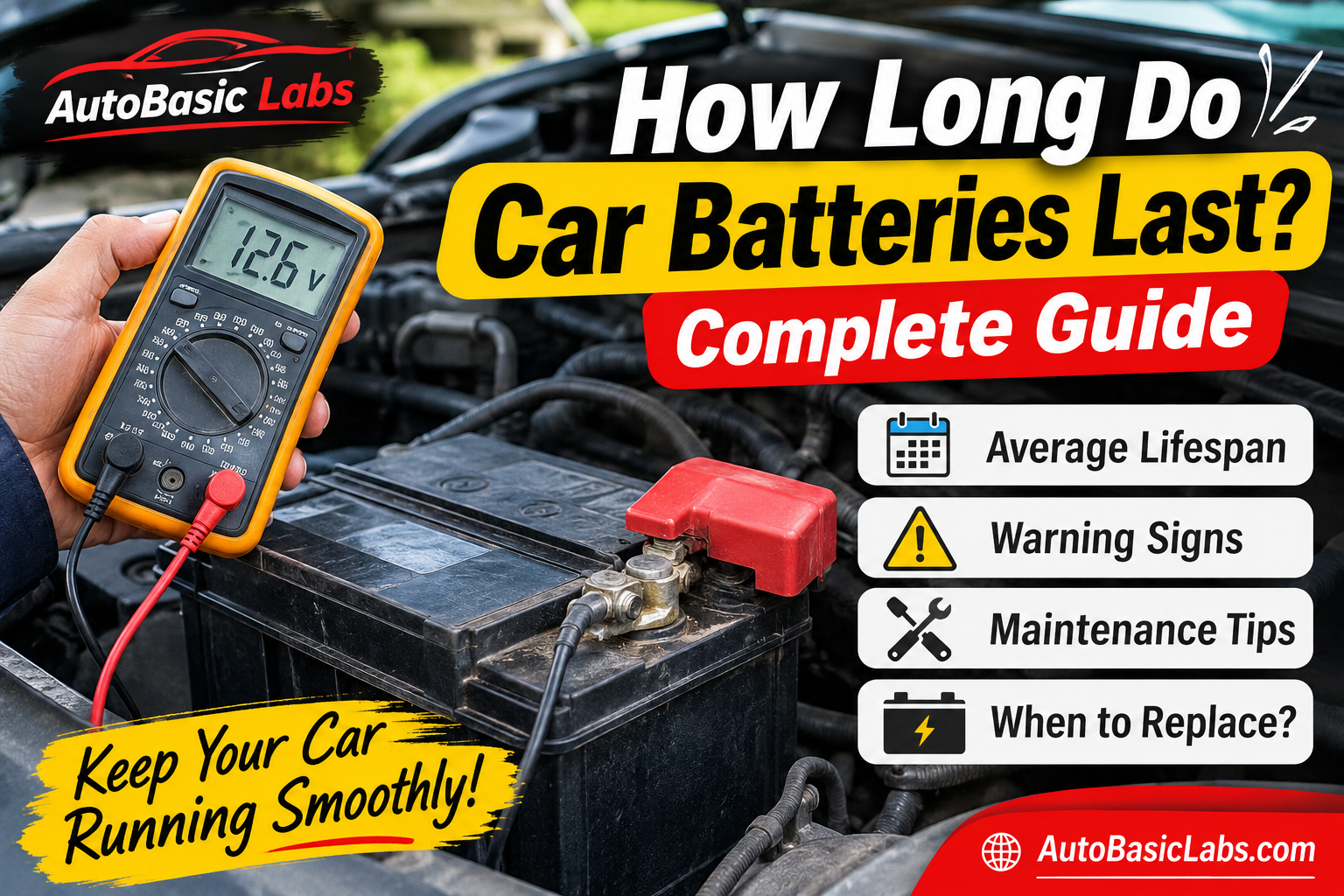
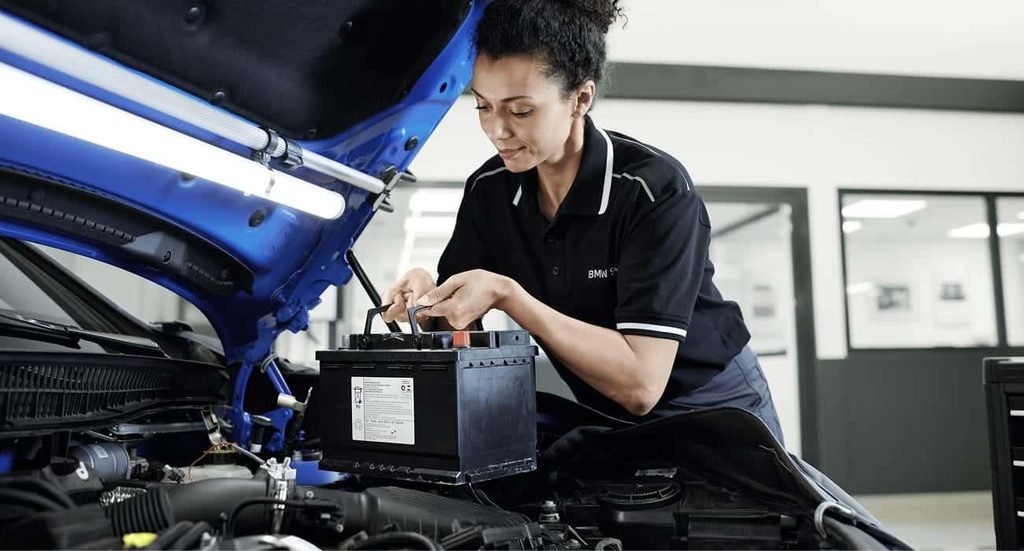
Battery Problems
A weak or failing car battery can create starting and electrical problems.
Common symptoms include:
- Slow engine cranking.
- Clicking sounds when starting.
- Dim headlights.
- Electrical accessories behaving unusually.
- Battery warning light.
- Repeated difficulty starting the vehicle.
For example, if your vehicle starts perfectly after a long drive but struggles to start the next morning, the battery could be weak. However, the charging system, alternator, or electrical connections may also be responsible.
What should you tell the dealership?
Explain whether the problem happens every time or only after the vehicle has been parked for several hours.
Ask the service department to test the battery, charging system, and relevant electrical connections rather than replacing the battery without checking the cause.
Brake Problems
Brakes are directly connected to your safety. Any unusual braking behavior should be taken seriously.
Watch for these warning signs:
- Squeaking or grinding sounds.
- Steering wheel vibration during braking.
- A brake pedal that feels unusually soft.
- Vehicle pulling to one side.
- Longer stopping distances.
- Brake warning light.
For example, if you hear a grinding sound whenever you press the brake pedal, the brake pads may be severely worn or another component may be damaged.
What should you tell the dealership?
Explain whether the noise happens during light braking, hard braking, or every time you stop.
If braking performance is reduced, the pedal feels abnormal, or you hear severe grinding, avoid driving the vehicle and arrange professional inspection or towing.
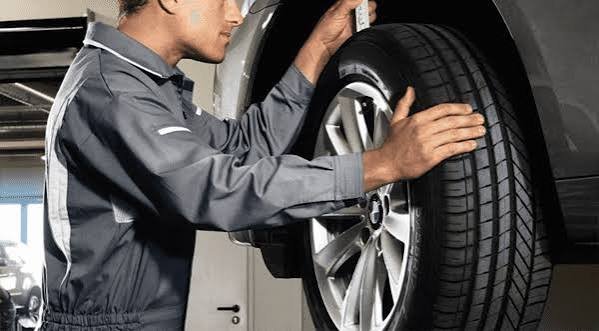
Tire Problems
Tires affect handling, braking, comfort, and overall road safety. Unfortunately, many drivers ignore tire problems until they experience a puncture or handling issue.
Check for:
- Uneven tire wear.
- Low tire pressure.
- Sidewall cracks.
- Bulges or visible damage.
- Frequent air pressure loss.
- Excessive steering vibration.
For example, if your steering wheel shakes at highway speeds, possible causes include wheel imbalance, tire damage, or suspension-related issues.
What should you tell the dealership?
Explain when the vibration occurs, whether it increases with speed, and whether the vehicle pulls to one side.
Also, check your tire pressure against the manufacturer’s recommended pressure, usually shown on the driver’s door information label.
5. Important Questions to Ask at a Car Dealership
Many customers focus only on the vehicle price and forget to ask important questions.
Before agreeing to a purchase or service, get clear answers to the following:
- Is the vehicle new, used, or certified pre-owned?
- Has the vehicle been involved in any accidents?
- Can I see the complete service history?
- What is included in the advertised price?
- Are there additional dealership or documentation fees?
- Is any warranty included?
- Can I arrange an independent vehicle inspection?
- What financing options are available?
- Are there any outstanding recalls?
- What happens if a problem appears after purchase?
If you are visiting for repairs, ask for an explanation of the diagnosis, an estimated repair cost, labor charges, replacement part details, and the expected completion time.
Never feel pressured to approve repairs you do not understand. Request a written estimate and ask the service department to explain why each repair is necessary.
6. How to Avoid Hidden Costs When Buying a Car
The advertised price is not always the final amount you will pay.
Depending on your location and the dealership, additional costs may include:
- Sales tax.
- Vehicle registration.
- Documentation fees.
- Dealer preparation charges.
- Optional protection packages.
- Extended warranties.
- Financing charges.
- Delivery fees.
For example, a used car may be advertised for $15,000, but additional charges could increase the total purchase price.
Always request an itemized out-the-door price before signing the agreement.
An itemized price helps you understand exactly what you are paying for. It also makes it easier to compare offers from different dealerships.
If a salesperson introduces optional products or services, ask whether they are required. Do not agree to additional charges simply because they appear in the purchase paperwork.
7. Why You Should Always Inspect a Used Car Before Buying
A used vehicle may look excellent from the outside but still have mechanical or structural problems.
A proper inspection can help identify issues that are not immediately visible.
Exterior Inspection
Walk around the vehicle and examine the body panels, doors, hood, and trunk.
Look for:
- Different paint shades.
- Uneven gaps between body panels.
- Rust or corrosion.
- Scratches and dents.
- Signs of previous collision repairs.
- Cracked lights or damaged glass.
These signs do not automatically prove that a car has been in a major accident, but they are reasons to investigate further.

Interior Inspection
Check the seats, dashboard, steering wheel, seat belts, windows, air conditioning, and infotainment system.
Make sure the warning lights work correctly and that the vehicle’s mileage is consistent with available records.
Unusual smells, water stains, or damp carpets may indicate previous water intrusion.
Engine and Mechanical Inspection
Look for visible fluid leaks, damaged hoses, unusual engine noises, and signs of poor maintenance.
Check the engine oil condition and coolant level according to the manufacturer’s instructions. Do not open a hot cooling system.
A qualified mechanic should inspect the vehicle before you complete the purchase.
Test Drive
A test drive helps you understand how the car performs under normal driving conditions.
Pay attention to:
- Engine starting and acceleration.
- Transmission shifting.
- Steering response.
- Brake performance.
- Suspension noises.
- Unusual vibrations.
- Dashboard warning lights.
Never rely only on a short test drive or the salesperson’s description. A professional inspection provides additional confidence.
8. What to Do If Your Car Has a Problem After Visiting a Dealership
Sometimes a vehicle develops a problem shortly after a purchase or repair.
The first thing you should do is document the issue.
Record when the problem started, what symptoms appeared, and whether the vehicle displays any warning messages.
For example:
- The engine warning light appeared two days after purchase.
- The battery stopped holding a charge.
- The air conditioning stopped cooling.
- The brakes started making noise after a repair.
- The vehicle began vibrating at higher speeds.
Take photographs or videos when it is safe to do so. Keep your purchase agreement, service invoices, inspection reports, and warranty documents.
Contact the dealership and explain the situation clearly.
Ask whether the issue may be covered under the applicable warranty or repair agreement. Do not assume every problem is automatically covered. Coverage depends on the specific terms, exclusions, and applicable consumer protection laws.
If the dealership cannot resolve the issue, you may consider contacting the manufacturer or an appropriate consumer protection organization.
9. Dealership vs. Independent Mechanic: Which One Should You Choose?
Car owners often wonder whether they should visit an authorized dealership or an independent repair shop.
Both options can be useful, depending on the situation.
| Situation | Better option to consider |
|---|---|
| Manufacturer-specific warranty work | Authorized dealership |
| Manufacturer recalls | Authorized dealership |
| Specialized software updates | Authorized dealership |
| Routine oil changes | Either qualified provider |
| Tire replacement | Either qualified provider |
| General mechanical repairs | Reputable independent mechanic or dealership |
| Used car pre-purchase inspection | Independent qualified mechanic |
Dealerships may have access to manufacturer-specific diagnostic information, tools, and training. Independent mechanics may offer competitive pricing and flexible service options.
However, the quality of work depends on the actual service provider, not simply the business category.
Compare experience, equipment, customer feedback, repair estimates, and warranty terms before making a decision.

10. How to Make Your Dealership Visit More Successful
A successful dealership visit starts before you leave home.
If you are buying a vehicle, research your preferred models and compare their prices. Make a list of important features and decide which options are essential.
If you need repairs, prepare a simple description of the symptoms.
For example, instead of saying:
“My car has some problems.”
You can explain:
“My car makes a clicking noise when I start it in the morning. The noise disappears after a few minutes, and I have noticed the headlights becoming dimmer.”
This description provides more useful information.
During your visit:
- Ask for a written estimate.
- Request an explanation of recommended repairs.
- Confirm the cost of labor and parts.
- Ask about replacement part warranties.
- Keep copies of service documents.
- Check the completed work before leaving.
- Ask for old replaced parts when appropriate and permitted.
For vehicle purchases, take your time reviewing the contract. Make sure the agreed price, vehicle details, financing terms, and any included warranties are accurately documented.
A professional dealership should be willing to answer reasonable questions and give you enough time to make an informed decision.
Final Thoughts
Searching for a car dealership near me is easy, but choosing the right dealership requires research and preparation. Whether you want to purchase a new vehicle, find a reliable used car, or get help with engine, battery, brake, or tire problems, understanding the basics can make a significant difference.
Before visiting a dealership, check its reputation, compare prices, prepare your questions, and understand your vehicle’s symptoms. If you are purchasing a used car, arrange an independent inspection and review the vehicle history carefully.
Most importantly, never feel pressured to make a purchase or approve a repair without understanding the details.
A little knowledge before visiting a dealership can help you save money, avoid unnecessary repairs, and make more confident decisions.
At AutoBasic Labs, our goal is to help drivers understand their vehicles, recognize common automotive problems, and make smarter decisions before spending money on cars and repairs.