Introduction
The BMD E90 CAR is part of the fifth-generation BMW 3 Series, a generation that became popular for its sporty driving experience, powerful engine options, premium interior and attractive European design. Even today, these BMW models attract drivers who want a combination of performance, comfort and luxury without purchasing a brand-new vehicle.
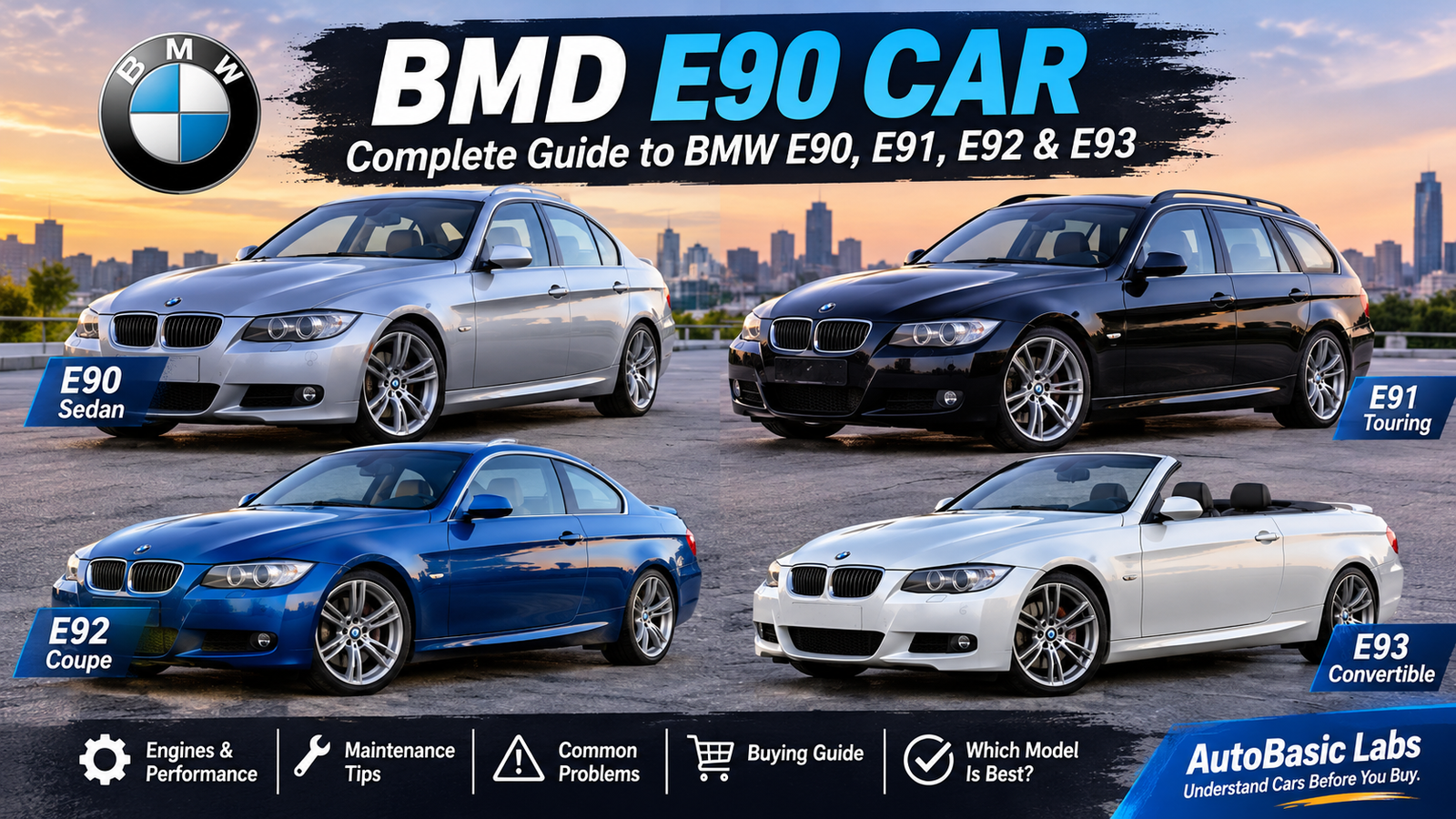
The E90 generation is especially interesting because it was not limited to one body style. BMW introduced four different versions: the E90 Sedan, E91 Touring, E92 Coupe and E93 Convertible. Although these vehicles belong to the same generation, each one offers a different experience. Some drivers prefer the practical design of the Touring, while others love the sporty appearance of the Coupe or the open-roof experience of the Convertible.
However, purchasing an older BMW requires more than simply choosing an attractive model. Engine condition, service history, transmission performance, cooling system, suspension and electrical components all deserve attention.
In this guide, we will explain everything you should know about the BMD E90 CAR, including its design, engine options, performance, interior, common problems, maintenance requirements and differences between the E90, E91, E92 and E93.
1. What Is the BMW E90 Series?
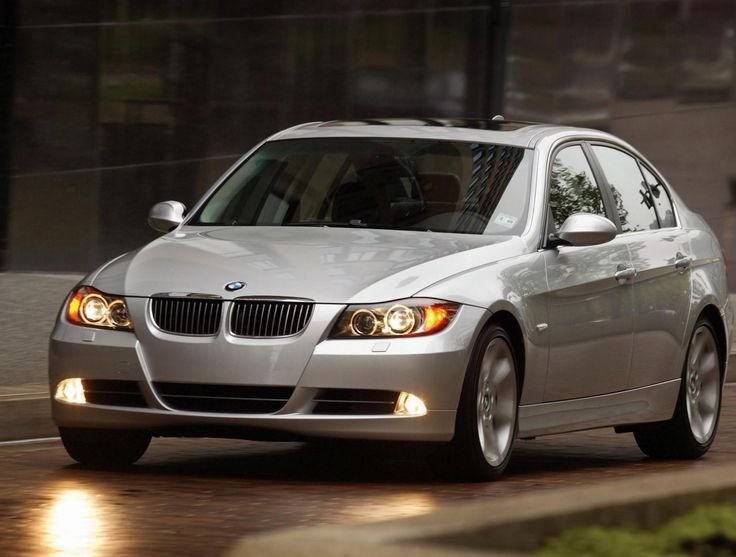
The BMW E90 is the internal chassis code for the fifth-generation BMW 3 Series Sedan, introduced in 2005. It replaced the previous E46 generation and brought improvements in design, driving dynamics, safety equipment and available technology.
BMW expanded the lineup with three additional body styles:
- BMW E90: Four-door Sedan designed for everyday driving.
- BMW E91: Five-door Touring designed for families and additional luggage space.
- BMW E92: Two-door Coupe with a sportier exterior design.
- BMW E93: Two-door Convertible featuring a retractable hardtop roof.
These models share much of their engineering, but their exterior dimensions, body structures, practicality and equipment can differ.
One important detail is that the E90 generation did not finish for every body style in the same year. The Sedan and Touring were replaced earlier, while the Coupe and Convertible continued for longer.
2. BMW E90 Exterior Design and Styling
The exterior design is one of the main reasons people still appreciate the BMD E90 CAR. BMW gave this generation a more modern appearance with a wider stance, distinctive headlights, kidney grille and carefully designed body lines.
The front section features BMW’s recognizable kidney grille, which gives the car a strong identity. Depending on the model year and trim, the headlights may include different lighting technologies and styling details.
The side profile also gives the car a balanced appearance. Its long bonnet, short rear overhang and sporty proportions create the traditional BMW driving-focused look.
Important Exterior Features
- Signature BMW kidney grille.
- Sporty front and rear bumpers.
- Distinctive headlight design.
- Attractive alloy wheel options.
- Body-coloured exterior mirrors.
- Different exterior styling packages.
- Optional sunroof on selected versions.

Pre-Facelift vs Facelift Models
BMW introduced Life Cycle Impulse (LCI), commonly known as a facelift, during this generation. The facelift brought changes to exterior styling, including bumpers, lighting details and other design elements.
However, the facelift timing was not identical across all four body styles. Therefore, buyers should check the production date and actual equipment rather than assuming every E90-series vehicle received the same changes in the same year.
3. BMW E91 Touring: Practicality Meets Performance
The BMW E91 is the Touring version of the E90 generation. It is designed for people who want BMW driving characteristics but also need more space for luggage, shopping, travel and family activities.
Its extended rear section gives it a practical estate-car design. The larger luggage area makes it more useful for long journeys and everyday responsibilities.
Why Choose the E91?
- More luggage space than the Sedan.
- Practical rear opening and cargo area.
- Comfortable interior for everyday journeys.
- Useful rear-seat folding arrangements.
- Sporty handling compared with many traditional family estates.
The E91 is a good option for drivers who need practicality without moving to a large SUV.
Before purchasing one, inspect the rear suspension, tailgate operation, electrical connections and luggage-area condition. Water leaks and worn seals should also be checked.

4. BMW E92 Coupe: A Sportier Appearance
The BMW E92 is the two-door Coupe version. It has a more dramatic exterior appearance, with a lower-looking roofline, longer doors and a different overall body design compared with the Sedan.
This model is particularly attractive to drivers who prioritize styling and a more personal driving experience.
Main Highlights of the E92
- Two-door Coupe design.
- Sporty exterior proportions.
- Frameless side windows.
- Attractive front and rear styling.
- Available with different petrol and diesel engines, depending on the market.
- Available in high-performance M3 form.
The E92 also became well known through the M3 Coupe, which featured a naturally aspirated 4.0-litre V8 engine.
Although the Coupe looks sporty, buyers should remember that rear-seat access is less convenient than in the four-door E90. It is more suitable for people who do not regularly need to carry several passengers.

5. BMW E93 Convertible: Open-Roof Driving Experience
The BMW E93 is the Convertible version of this generation. Unlike a traditional soft-top convertible, it uses a retractable hardtop roof.
This design allows the vehicle to offer two different experiences: a closed-roof driving environment and open-air motoring when the roof is lowered.
E93 Convertible Features
- Retractable metal hardtop.
- Stylish two-door body design.
- Open-air driving experience.
- Premium cabin atmosphere.
- Available engine options depending on model year and market.
The roof mechanism is an important part of the E93 ownership experience. However, it also introduces additional components that need inspection.
Before purchasing an E93, operate the roof through a complete opening and closing cycle. Check for unusual sounds, warning messages, uneven movement, damaged seals and signs of water entering the cabin.
A convertible can be enjoyable, but repairing its roof mechanism may be expensive if previous owners have ignored maintenance.
6. BMW E90 Engine Options and Performance
Engine selection is one of the most important parts of buying a BMD E90 CAR. BMW offered several petrol and diesel engines throughout this generation, and the exact options varied by country, production year and trim.

Petrol Engine Options
Depending on the market, petrol versions included four-cylinder and six-cylinder engines.
Some commonly encountered engine families include:
- N46: Four-cylinder naturally aspirated petrol engine.
- N43: Four-cylinder direct-injection petrol engine in selected markets.
- N52: Naturally aspirated inline-six petrol engine.
- N53: Direct-injection inline-six petrol engine in selected markets.
- N54: Twin-turbocharged inline-six engine.
- N55: Single-turbocharged inline-six engine used in later 335i versions.
The N52 is particularly appreciated by enthusiasts for its smooth power delivery and naturally aspirated character. However, even a well-regarded engine needs proper servicing.
The N54 offers strong performance and considerable tuning potential, but its fuel system, turbochargers and other components require careful inspection.
Diesel Engine Options
BMW also offered diesel models for drivers who wanted strong torque and better fuel economy.
Important diesel engine families include:
- M47 four-cylinder diesel.
- N47 four-cylinder diesel.
- M57 six-cylinder diesel.
- N57 six-cylinder diesel in selected later models.
The 320d became a popular choice because it combined useful performance with relatively efficient fuel consumption.
However, the N47 engine has a particularly important timing-chain inspection requirement. Buyers should ask for documented repair or replacement history where applicable.
Important: Engine names and specifications are not identical in every country. Always confirm the engine code using the vehicle identification number (VIN) before purchasing parts or arranging major repairs.
7. BMW E90 Interior and Comfort Features
The interior of the E90 generation was designed around the driver. BMW focused on a practical dashboard layout, comfortable seating and a cabin that supported both everyday use and spirited driving.
Depending on the trim and optional equipment, buyers may find leather seats, automatic climate control, iDrive, navigation, multifunction steering wheel, electric seat adjustment and parking assistance.
Interior Highlights
Driver-Focused Dashboard: The dashboard places important controls within easy reach of the driver.
Comfortable Seating: The front seats provide a supportive driving position, with different seat designs available depending on the trim.
iDrive System: Selected versions feature BMW’s iDrive interface for controlling navigation, entertainment and vehicle settings.
Steering Wheel Controls: Multifunction controls make it easier to operate selected audio and communication features.
Cabin Materials: Depending on specification, the interior can include leather, fabric, wood or aluminium-style decorative finishes.
When inspecting a used car, test the air conditioning, power windows, central locking, infotainment system, seat adjustments and dashboard controls. A premium interior is only valuable when its equipment works correctly.
8. Common BMW E90 Problems Every Owner Should Know
The BMD E90 CAR can deliver an enjoyable ownership experience, but age and maintenance history make a significant difference. Some problems are related to particular engines, while others are associated with general wear and ageing components.
1. Timing Chain Problems
The N47 diesel engine is known for timing-chain concerns. A rattling noise, especially during a cold start, deserves immediate attention.
A damaged or stretched timing chain can cause serious engine damage if ignored.
What to do: Ask for service records, listen carefully during a cold start and arrange an inspection by a BMW specialist if unusual noises are present.
2. Oil Leaks
Oil leaks can develop around ageing gaskets and seals.
Common inspection areas include:
- Valve cover gasket.
- Oil filter housing gasket.
- Oil pan gasket.
Look for oil around the engine, burning-oil smells and visible leakage underneath the vehicle.
What to do: Have the leak identified before replacing parts. Cleaning the engine without fixing the source will not solve the problem.
3. Cooling System Failure
Cooling system components become especially important as an older BMW accumulates mileage.
On some petrol models, the electric water pump and thermostat are known maintenance concerns.
Warning signs include rising engine temperature, coolant loss and cooling-system warnings.
What to do: Check coolant levels when the engine is cold, inspect hoses and arrange a cooling-system pressure test when necessary. Never open a hot coolant reservoir.
4. Fuel Injector and Fuel Pump Issues
Certain direct-injection petrol engines, including some N43, N53 and N54 applications, can experience injector or high-pressure fuel-pump problems.
Symptoms may include rough idling, difficult starting, reduced power and engine warning lights.
What to do: Use proper diagnostic equipment to identify the fault instead of replacing expensive components based only on symptoms.

5. Suspension Wear
The E90 generation has a suspension setup designed to provide responsive handling. However, control arm bushings, ball joints, shock absorbers and other components can wear over time.
Common symptoms include knocking noises, steering vibration and uneven tyre wear.
What to do: Inspect the suspension on a lift and check wheel alignment after necessary repairs.
6. Electrical Problems
Ageing electrical components can cause problems with window regulators, sensors, lighting, battery connections and other equipment.
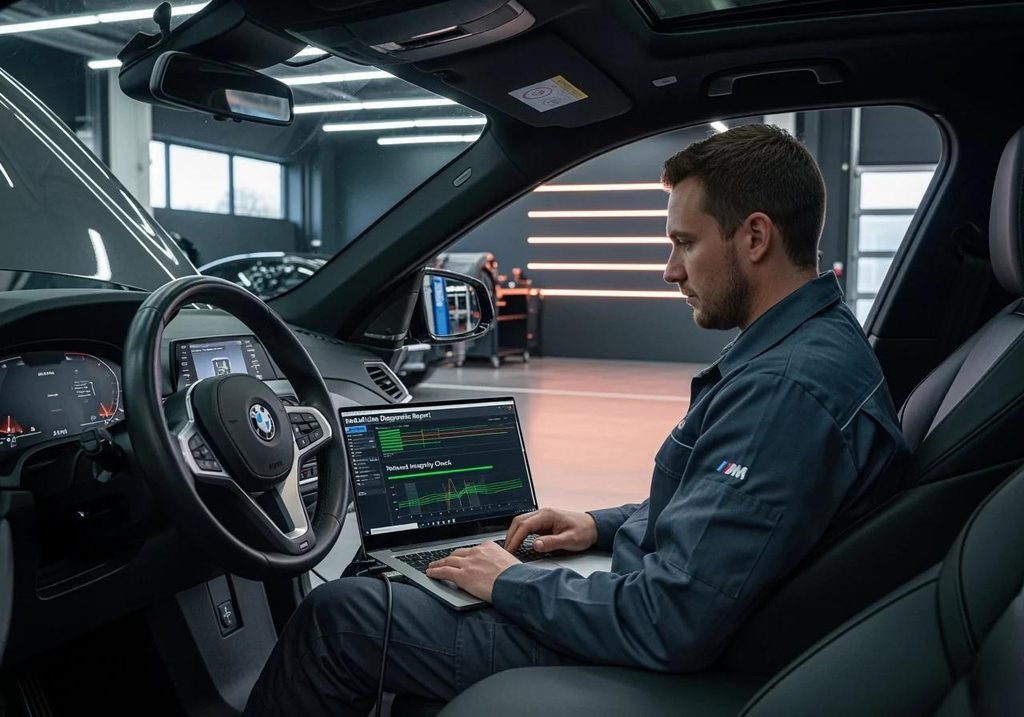
What to do: Scan the vehicle for stored fault codes and test electrical features before purchasing.
Not every E90 has all these problems. The actual risk depends on its engine, production year, mileage, maintenance and previous repairs.
9. BMW E90 Maintenance: How to Keep It in Good Condition
Regular maintenance is essential for keeping an older BMW running properly. Skipping small services can eventually create expensive mechanical problems.
Here are some important maintenance practices:
Change Engine Oil Regularly: Use oil that meets the correct BMW specification for the particular engine. Follow an appropriate service interval based on driving conditions and professional advice.
Replace Oil and Air Filters: Dirty filters can affect engine protection and performance.
Inspect the Cooling System: Check coolant condition, hoses, thermostat and water pump operation.
Check Transmission Performance: Look for delayed gear changes, slipping, unusual noises or fluid leaks. Follow the correct transmission service guidance for the gearbox fitted.
Inspect Brakes: Check brake pads, discs, brake fluid and warning indicators.
Maintain Tyres: Use the correct tyre size and pressure. Uneven tyre wear may indicate alignment or suspension problems.
Check the Battery: Weak batteries can contribute to electrical issues. Use the correct battery type and register or code a replacement when the vehicle requires it.
Keeping invoices and service records is just as important as performing the work. A documented maintenance history makes it easier to understand what has already been replaced.
10. BMW E90 vs E91 vs E92 vs E93: Which One Should You Choose?
All four models belong to the same generation, but their body styles serve different needs.
| Model | Body Style | Best For |
|---|---|---|
| E90 | Four-door Sedan | Daily driving and family use |
| E91 | Five-door Touring | Luggage and practicality |
| E92 | Two-door Coupe | Sporty styling |
| E93 | Convertible | Open-roof driving |
If you need a balanced car for everyday driving, the E90 is a sensible option.
If you regularly travel with luggage, the E91 provides additional practicality.
If exterior appearance and a sporty profile are your priorities, consider the E92.
If you enjoy driving with the roof down, the E93 offers a different experience.
There is no single best model for everyone. Your choice should depend on your budget, driving requirements, vehicle condition and maintenance history.
11. What to Check Before Buying a Used BMW E90?
Buying a used BMD E90 CAR without a proper inspection can lead to unexpected expenses. Even a vehicle with an attractive exterior may have hidden mechanical problems.
Use this checklist before making a decision:
- Check the VIN and confirm the exact model and engine.
- Review the vehicle’s service history.
- Start the engine when it is completely cold.
- Listen for unusual timing-chain or engine noises.
- Check for oil and coolant leaks.
- Test the transmission during a road test.
- Inspect the suspension for knocking sounds.
- Check all dashboard warning lights.
- Test the air conditioning and electrical equipment.
- Inspect the body for accident damage and previous repairs.
- For an E93, test the retractable roof completely.
- Arrange a pre-purchase inspection with a BMW specialist.
Do not purchase a vehicle simply because it has low mileage. A well-maintained car with higher mileage may be a better option than a neglected vehicle with a suspiciously low odometer reading.

12. Is the BMW E90 Still Worth Buying?
The BMW E90 generation can still be a worthwhile choice for someone who appreciates traditional BMW styling, responsive handling and a premium driving experience.
Its biggest attraction is variety. Buyers can choose between a practical Sedan, spacious Touring, sporty Coupe and distinctive Convertible.
However, these cars are now older vehicles, and their condition matters more than their appearance or badge. Engine-specific problems, previous accident repairs, electrical faults and neglected maintenance can turn an affordable purchase into an expensive ownership experience.
A sensible buyer should choose the right engine, inspect the vehicle professionally and keep some money available for future maintenance.
13. BMD E90 CAR Driving Experience: What Makes It Special?
One of the biggest reasons drivers continue to search for the BMD E90 CAR is its driving experience. BMW designed this generation to offer a balance between everyday comfort and sporty handling. Unlike some vehicles that focus mainly on soft suspension and relaxed driving, the E90 generation provides a more connected feeling between the driver, steering and road.
The steering response, rear-wheel-drive layout on many versions and balanced chassis help make the vehicle enjoyable on different types of roads. However, the exact driving experience depends on the engine, suspension setup, tyres and optional equipment.
Steering and Handling
The BMD E90 CAR offers responsive steering characteristics that make it enjoyable on winding roads and during highway driving. Its suspension is designed to maintain stability while providing reasonable comfort.
If you notice excessive steering vibration, unusual pulling to one side or knocking sounds when driving over bumps, the suspension and steering components should be inspected.
Highway Performance
Six-cylinder petrol versions and higher-powered diesel models can provide strong acceleration and comfortable highway performance. Four-cylinder versions can also be suitable for daily commuting, particularly when fuel economy is an important consideration.
Before taking an older BMW on a long journey, check engine oil, coolant, tyre pressure, brakes and battery condition.
14. BMD E90 CAR Fuel Economy and Running Costs
Fuel economy is another important consideration when choosing a used BMW. The BMD E90 CAR was available with several petrol and diesel engines, so fuel consumption varies considerably.
Generally, smaller diesel engines such as the 320d are attractive to drivers who travel long distances and want better fuel efficiency. Petrol six-cylinder models are more focused on smoothness and performance, but their fuel consumption can be higher.
Your actual fuel economy depends on:
- Engine size and condition.
- Driving speed and traffic.
- Tyre pressure and wheel alignment.
- Transmission condition.
- Regular servicing and maintenance.
- Air conditioning usage and driving habits.
Remember that fuel is not the only ownership expense. Older BMW vehicles may require spending on suspension components, cooling systems, tyres, brakes and electrical repairs.
A cheaper purchase price does not always mean cheaper ownership. Always calculate the expected maintenance costs before buying.
15. Best BMW E90 Modifications and Upgrades
Many BMW enthusiasts enjoy upgrading their vehicles to improve appearance, comfort and performance. The E90 generation has a large aftermarket community, which means owners can find different styling and maintenance-related upgrades.
Popular modifications include:
Alloy Wheels: Upgrading to suitable BMW alloy wheels can improve the exterior appearance. Always select the correct wheel size, offset and tyre specification.
M Sport Body Kit: An M Sport-style bumper and exterior package can give the Sedan, Touring or Coupe a sportier appearance. Check compatibility with the exact body style.
LED Lighting: Suitable lighting upgrades can modernize the exterior, but they should comply with local road regulations and must not create glare.
Suspension Upgrades: Quality suspension components can improve handling, but extremely low suspension settings may reduce comfort and create clearance problems.
Interior Upgrades: Depending on the original specification, owners may consider updated infotainment equipment, steering wheels or interior trim.
When modifying a BMD E90 CAR, quality and compatibility should always come before appearance. Poor-quality modifications can introduce electrical faults, handling problems and unnecessary repair expenses.
16. BMW E90 Ownership: Mistakes Every Buyer Should Avoid
Buying an older luxury vehicle requires careful decision-making. Some buyers focus too much on the exterior and forget to inspect the mechanical condition.
Here are mistakes worth avoiding:
- Buying without checking the engine code.
- Ignoring timing-chain history on applicable engines.
- Skipping a professional diagnostic scan.
- Purchasing a vehicle with unexplained warning lights.
- Ignoring coolant loss or engine overheating.
- Choosing a car without checking its service history.
- Spending the entire budget on the purchase price.
- Ignoring accident damage and poor-quality body repairs.
A proper inspection can help identify problems before they become expensive repairs. For the E91, check the additional rear luggage and tailgate equipment. For the E92, inspect the door windows and seals. For the E93, pay particular attention to the retractable hardtop and its operating mechanism.
The right buying decision is not necessarily the car with the most expensive trim or the lowest advertised price. It is the vehicle with the best overall condition and maintenance history.
18. Why the BMD E90 CAR Remains Popular Among BMW Enthusiasts
The BMD E90 CAR continues to attract attention from BMW enthusiasts because it offers a combination of classic styling, enjoyable performance and practical everyday features. Although newer BMW generations have introduced more advanced technology, many drivers still appreciate the traditional driving experience of the E90 generation.
One important reason behind the popularity of the BMD E90 CAR is the variety of models available. Buyers can choose the E90 Sedan for everyday use, the E91 Touring for additional luggage space, the E92 Coupe for sporty styling or the E93 Convertible for open-roof driving. This variety makes the generation suitable for different lifestyles and driving requirements.
Is the BMD E90 CAR Suitable for Daily Driving?
Yes, a properly maintained BMD E90 CAR can be suitable for daily driving. Its comfortable seating, useful cabin layout and responsive handling make it a practical option for commuting and longer journeys.
However, buyers should remember that these vehicles are now older models. Engine condition, cooling system performance, transmission health and electrical components should be checked before relying on one as a daily vehicle.
Spare Parts and Repair Considerations
Another important factor when purchasing a BMD E90 CAR is the availability and cost of replacement parts. Common maintenance components such as filters, brake pads, suspension parts and engine gaskets are available through BMW parts suppliers and specialist workshops.
Before purchasing, check the availability of parts for your specific engine and body style. E90, E91, E92 and E93 models share many components, but not every part is interchangeable.
How to Get the Best Ownership Experience
To enjoy your BMD E90 CAR for longer, follow a consistent maintenance schedule. Use the correct engine oil, inspect the cooling system, maintain proper tyre pressure and address unusual engine noises early.
Keep all repair invoices and service records. These documents help you understand the vehicle’s condition and can also make it easier to sell the car in the future.
Ultimately, the best BMD E90 CAR is not necessarily the most powerful or expensive version. It is the one that has been properly maintained, carefully inspected and selected according to your driving needs.
17. Final Buying Advice for BMW E90, E91, E92 and E93 Owners
Choosing between these four models depends on how you plan to use the vehicle.
The E90 is suitable for drivers who want a traditional four-door BMW. The E91 is more practical for families and people who carry luggage regularly. The E92 is a strong choice for someone who prefers a sporty two-door design, while the E93 is ideal for drivers who enjoy convertible motoring.
Before making your final decision, compare the engine condition, mileage, service records, transmission, suspension and overall repair history. Do not assume that two vehicles with the same model badge will have identical reliability or running costs.
The BMD E90 CAR can still be an enjoyable vehicle, but choosing a well-maintained example is much more important than choosing a particular colour or exterior package.
Whether you are buying an E90, E91, E92 or E93, a careful inspection and realistic maintenance budget will help you enjoy BMW ownership with fewer unexpected surprises.