Introduction: How to Reset Check Engine Light Safely
If you notice a check engine light on your car’s dashboard, you may wonder what caused it and how to turn it off. Learning how to reset check engine light warnings can help you understand your vehicle better, avoid unnecessary worry, and know when professional help is needed.
The check engine light can appear because of a loose gas cap, an emissions-system problem, a faulty sensor, or an engine performance issue. Some problems are minor, while others need immediate attention. The correct approach is to identify the cause before resetting the warning.
In this guide, you will learn how to reset check engine light warnings using an OBD-II scanner, what to check before resetting the light, and how to prevent it from returning.
What Does the Check Engine Light Mean?
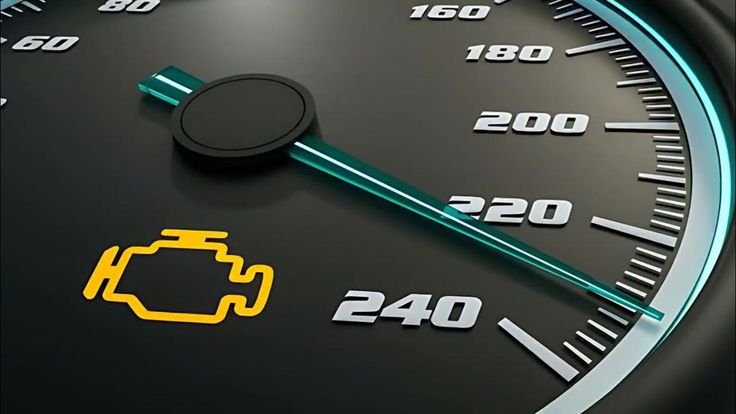
Before learning how to reset check engine light warnings, it is important to understand what the warning actually means.
Modern vehicles use an onboard diagnostic system called OBD-II to monitor engine performance and emissions-related components. When the system detects a problem, it can store a diagnostic trouble code and illuminate the check engine light.
Common causes include:
- A loose or damaged gas cap.
- A faulty oxygen sensor.
- A mass airflow sensor problem.
- Worn spark plugs or an engine misfire.
- An emissions-system malfunction.
- Damaged wiring or electrical connections.
The warning light does not automatically mean your engine is seriously damaged. However, the stored diagnostic code should be checked to identify the likely cause.
How to Reset Check Engine Light Using an OBD-II Scanner
An OBD-II scanner is generally the most reliable DIY method for clearing a check engine light after the underlying problem has been repaired.
Step 1: How to Reset Check Engine Light by Finding the OBD-II Port
Park your car safely, switch off the engine, engage the parking brake, and locate the OBD-II diagnostic port. In many vehicles, this port is underneath the dashboard near the steering wheel.
If you cannot find it, consult your vehicle owner’s manual.
Step 2: Read the Codes Before Resetting the Check Engine Light
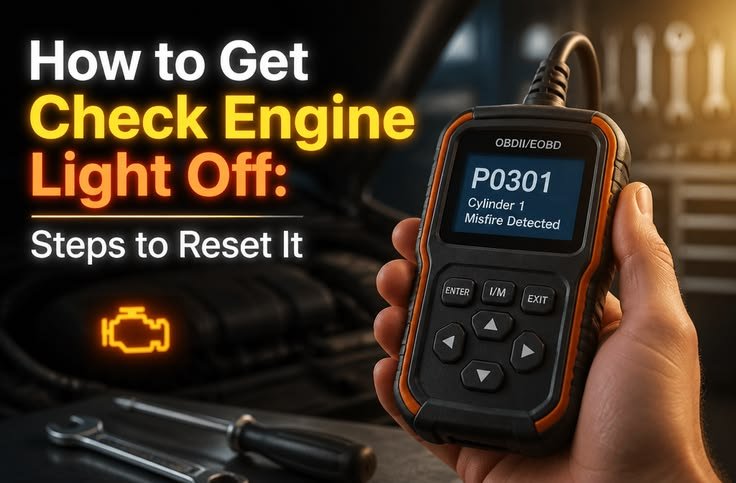
Connect a compatible OBD-II scanner to the diagnostic port. Follow the scanner’s instructions to read the stored diagnostic trouble codes.
Write down the codes before clearing them. These codes provide useful information about the system that detected the fault. Remember that a code identifies a problem area; it does not always prove that a particular component needs replacement.
Step 3: Fix the Problem Before You Reset the Check Engine Light
Use the diagnostic code and your vehicle’s service information to determine the next step. For example, you may discover that the gas cap is loose or that a more detailed inspection is necessary.
Correct the underlying issue before clearing the code. If the problem involves engine misfires, damaged wiring, or another complex fault, consult a qualified mechanic.
Step 4: Clear the Code to Reset the Check Engine Light
After the repair, use the scanner’s Clear Codes or Erase Codes option, following the device’s instructions.
Switch the ignition off when instructed, disconnect the scanner, and restart the vehicle. Check whether the warning light remains off.
Step 5: Confirm the Check Engine Light Does Not Return
Drive the car under normal conditions when it is safe to do so. The vehicle’s onboard diagnostic system may need time and specific driving conditions to rerun its checks.
If the light returns, scan the car again and investigate the fault. Some permanent diagnostic codes cannot be erased manually and clear only after the vehicle verifies that the problem has been corrected.
How to Reset Check Engine Light Without a Scanner
Many drivers search for how to reset check engine light without an OBD-II scanner. Although there are a few things you can check yourself, manually forcing a reset is not the best first step.
Check the Gas Cap Before Resetting the Check Engine Light
Turn off the engine and inspect the gas cap. If it is loose, tighten it securely according to the manufacturer’s instructions. Replace a damaged cap if necessary.
A loose gas cap can trigger an emissions-related warning on some vehicles. The light may take several normal driving trips to turn off after the issue is corrected.
Let the Car’s Diagnostic System Recheck the Problem
If you have corrected a minor issue, the onboard computer may turn off the warning after the relevant self-tests pass. The time required varies by vehicle and fault.
Should You Disconnect the Battery to Reset the Check Engine Light?
Disconnecting the battery is not recommended as a first-line solution. On some vehicles, it can erase diagnostic information, reset electronic settings, and make emissions-readiness monitors incomplete. It also does not repair the original problem.
Always consult the owner’s manual or a qualified technician before disconnecting the battery.
Why Does the Check Engine Light Come Back After a Reset?
If the warning returns after you learn how to reset check engine light codes, the underlying problem may still exist.
Possible reasons include:
- Unrepaired fault: The original problem was never corrected.
- Faulty sensor or wiring: A sensor circuit may still be reporting incorrect readings.
- Engine misfire: Ignition or fuel-delivery problems may require further diagnosis.
- Emissions-system fault: The vehicle may detect the same issue when its monitoring test runs again.
- Incomplete diagnostic checks: The vehicle may need additional driving conditions to complete its self-tests.
Do not keep clearing the same warning without investigating why it returns. Repeated resets can make diagnosis more difficult.
Is It Safe to Drive After Resetting the Check Engine Light?
Whether it is safe to drive depends on the warning and the vehicle’s symptoms.
A steady check engine light with no unusual symptoms may allow you to drive cautiously to a repair facility, but you should arrange diagnosis promptly. Follow your owner’s manual for vehicle-specific guidance.
If the check engine light is flashing, reduce engine load and stop driving as soon as it is safe. A flashing light can indicate a severe misfire that may damage the catalytic converter. If the engine shakes, loses power, overheats, or makes unusual noises, stop safely and seek professional assistance.
Never confuse the check engine light with oil-pressure, brake, or engine-temperature warnings. Those warnings can require immediate action.
How to Prevent the Check Engine Light From Returning
Regular maintenance can help reduce the chance of recurring engine warnings.
- Follow the maintenance schedule in your owner’s manual.
- Inspect the gas cap and replace it if damaged.
- Replace spark plugs and filters at the recommended intervals.
- Address unusual engine noises, rough idling, or reduced fuel economy.
- Check warning lights promptly instead of ignoring them.
- Keep a record of diagnostic codes and completed repairs.
Preventive maintenance cannot eliminate every fault, but it can help identify problems before they become more expensive.
Key Takeaways: How to Reset Check Engine Light
Remember these important points before resetting your car’s warning light:
- Identify why the check engine light appeared.
- Read and record the diagnostic codes before clearing them.
- Repair the underlying fault before using the reset function.
- Use an OBD-II scanner when appropriate.
- Avoid disconnecting the battery simply to hide the warning.
- Get professional help if the light flashes or serious symptoms appear.
- Recheck the vehicle if the warning returns.
Frequently Asked Questions About How to Reset Check Engine Light
How to Reset Check Engine Light in a Few Minutes?
A compatible OBD-II scanner can often clear a code within minutes after the fault has been repaired. Diagnosing and fixing the underlying problem may take longer.
Can I Reset the Check Engine Light by Tightening the Gas Cap?
If a loose gas cap caused the warning, tightening it may resolve the issue. The light may not turn off immediately, and other causes require different repairs.
Will the Check Engine Light Turn Off by Itself?
It may turn off after the underlying issue is corrected and the vehicle’s diagnostic system confirms that the relevant test passes. The timing varies.
Does Resetting the Check Engine Light Fix the Car?
No. Resetting clears diagnostic information and may turn off the warning, but it does not repair a mechanical, electrical, or emissions-system problem.
Can I Pass an Emissions Test After Resetting the Check Engine Light?
Not necessarily. Clearing diagnostic codes can reset emissions-readiness monitors, leaving the vehicle temporarily unready for testing. Repair the fault and follow the applicable inspection requirements.
Conclusion: How to Reset Check Engine Light the Right Way
Knowing how to reset check engine light warnings can help you handle common vehicle problems more confidently. The safest process is to read the diagnostic codes, identify and repair the underlying fault, and then clear the codes using a compatible OBD-II scanner.
Avoid resetting the light just to make the dashboard look normal. If the warning returns or your car shows serious symptoms, arrange a proper diagnosis. Taking the correct steps can help protect your engine, emissions system, and long-term vehicle reliability.