Have you ever wondered how thousands of cars are manufactured every day? Modern vehicles are not built in a single place by one person. Instead, they pass through a series of specialized stations inside large automotive factories. This organized production system is known as a car assembly line.
A car assembly line plays an important role in the automotive manufacturing industry. It allows manufacturers to produce vehicles efficiently while maintaining quality, safety, and consistency. From the first metal body to the final inspection, every stage has a specific purpose.
In this guide, we will explore how a car assembly line works, which technologies are used, and how modern factories transform individual components into complete vehicles.
1. What Is a Car Assembly Line?
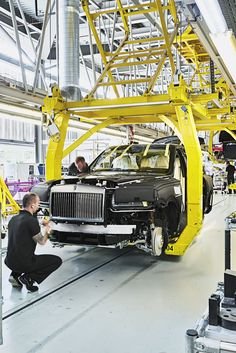
A car assembly line is a manufacturing system where different vehicle components are installed at separate workstations in a planned sequence. Instead of building an entire vehicle in one location, workers and machines complete specific tasks as the vehicle moves through the production process.
For example, one station may install the vehicle’s doors, while another focuses on the engine, dashboard, or seats.
This production method helps automobile manufacturers save time, reduce unnecessary movement, and improve manufacturing efficiency.
Today, many automotive factories use advanced conveyor systems, industrial robots, sensors, and computer-controlled equipment to make the assembly process faster and more accurate.
2. The First Stage: Designing and Preparing Car Parts
Before a vehicle reaches the assembly line, engineers and manufacturers prepare its individual components.
These components include:
- Engine and transmission.
- Doors and body panels.
- Wheels and suspension systems.
- Seats and dashboard.
- Electrical wiring.
- Braking systems.
- Interior and exterior accessories.
Each component is designed according to the vehicle’s specifications. Manufacturers also work with suppliers to ensure that the required parts are available when production begins.
Proper planning is essential because a missing or incorrect component can interrupt the entire manufacturing process.
3. Car Body Manufacturing and Welding
One of the most important stages of a car assembly line is body manufacturing.
At this stage, large sheets of metal are shaped into different vehicle components. Machines cut, press, and form metal panels to create the roof, doors, floor, and other structural parts.
After shaping, these components are joined together through welding.
Modern automotive factories frequently use robotic arms to perform welding operations. These robots can complete repetitive tasks with high accuracy and help maintain consistent production quality.
Once the main structure is assembled, it becomes the basic body of the vehicle.

4. Painting Process in Automotive Factories
After the vehicle body is completed, it moves to the painting department.
Painting is not only about making a car look attractive. It also protects the metal body against corrosion, moisture, and environmental damage.
The painting process generally includes several steps:
Surface Cleaning: The vehicle body is cleaned to remove dust, oil, and other unwanted materials.
Pre-Treatment: Special treatments prepare the metal surface for better paint adhesion and corrosion protection.
Primer Application: A primer layer creates a suitable base for the main paint.
Base Coat: The selected vehicle color is applied to the body.
Clear Coat: A transparent protective layer adds shine and helps protect the paint.
After painting, the vehicle body is inspected to identify scratches, uneven surfaces, or other imperfections.
5. Engine and Transmission Installation
The engine and transmission are among the most important components of a traditional petrol or diesel vehicle.
During this stage, the powertrain is prepared and installed into the vehicle.
The engine produces power, while the transmission transfers that power to the wheels. Workers and automated equipment carefully position these components and secure them according to manufacturer specifications.
Modern factories also assemble electric vehicles, which use electric motors and battery packs instead of conventional petrol or diesel powertrains.
The installation process depends on the vehicle’s design and manufacturing requirements.

6. Interior Assembly and Dashboard Installation
Once the main mechanical components are installed, the vehicle moves to the interior assembly section.
This stage gives the vehicle its comfortable and functional cabin.
Workers install several components, including:
- Front and rear seats.
- Dashboard and instrument cluster.
- Steering wheel.
- Door panels.
- Air conditioning systems.
- Infotainment displays.
- Carpets and interior lighting.
- Safety belts and airbags.
Electrical wiring is also connected to support different vehicle functions.
Precision is extremely important because incorrectly installed electrical connections or interior components can create problems during vehicle operation.
7. How Robots Are Used in a Car Assembly Line
Robotics has transformed modern automobile manufacturing.
In many factories, industrial robots perform repetitive and physically demanding tasks. They are commonly used for welding, painting, lifting, positioning, and certain installation operations.
Robotic systems offer several advantages:
Improved Accuracy: Robots can perform repetitive operations with consistent positioning.
Faster Production: Automated equipment can work continuously within its designed operating schedule.
Worker Safety: Robots can handle some dangerous or physically demanding tasks.
Consistent Quality: Computer-controlled systems help manufacturers maintain standardized production procedures.
However, human workers remain essential for supervision, complex assembly tasks, maintenance, and quality inspections.
8. Quality Control and Vehicle Inspection
Before a vehicle leaves the factory, it must pass several quality checks.
Manufacturers inspect different areas to make sure that the vehicle meets the required standards.
Common inspection procedures include:
- Checking paint quality.
- Inspecting body alignment.
- Testing headlights and indicators.
- Checking brakes and steering systems.
- Inspecting engine or electric motor performance.
- Testing electrical equipment.
- Checking doors, windows, and safety features.
- Performing water-leak tests.
Some factories also use computerized diagnostic systems to identify potential technical problems.
If an issue is discovered, the vehicle may be sent for correction before receiving final approval.
9. Modern Technology Used in Automotive Assembly Lines
Automotive manufacturing continues to evolve with new technologies.
Some of the most important innovations include:
Artificial Intelligence: AI-powered systems can help analyze production data and identify potential manufacturing defects.
Computer Vision: Cameras and image-processing systems inspect vehicle components and detect visible imperfections.
Automated Guided Vehicles: These vehicles transport components and materials around factories with limited manual assistance.
Industrial Internet of Things (IIoT): Connected machines and sensors provide information about equipment performance and production operations.
Digital Manufacturing Systems: Computer software helps manufacturers monitor production, manage resources, and improve factory operations.
These technologies are making modern car manufacturing more connected, efficient, and flexible.
10. How Electric Vehicles Are Changing Car Assembly Lines
Electric vehicles are introducing new requirements into automobile manufacturing.
Unlike traditional vehicles, electric cars use battery packs, electric motors, power electronics, and specialized cooling systems.
Manufacturers must design assembly processes that safely handle high-voltage components and large battery systems.
Some modern factories are also developing flexible production lines that can manufacture different types of vehicles, including petrol, hybrid, and fully electric models.
This flexibility helps automotive companies respond to changing customer preferences and new developments in the automobile industry.
11. Why Is the Car Assembly Line Important?
The car assembly line is essential because it organizes a complicated manufacturing process into manageable stages.
Without an organized production system, manufacturing large numbers of vehicles would be more difficult and time-consuming.
Its major benefits include:
- Higher production efficiency.
- Better use of manufacturing resources.
- Consistent vehicle quality.
- Reduced unnecessary movement.
- Improved production planning.
- Better coordination between workers and machines.
- Easier identification of manufacturing problems.
These advantages make the assembly line one of the most important systems in the modern automotive industry.
12. What Is the Future of Car Assembly Lines?
The future of automotive manufacturing will likely involve greater automation, smarter production systems, and more flexible factories.
Artificial intelligence, advanced robotics, connected machines, and digital monitoring systems are already influencing how vehicles are manufactured.
Electric vehicle production is also encouraging manufacturers to rethink traditional assembly processes.
In the coming years, factories may become even more adaptable, allowing manufacturers to produce different vehicle models using shared production equipment.
Although technology will continue to change the manufacturing process, skilled engineers and factory workers will remain important for managing production and maintaining vehicle quality.
Conclusion
A car assembly line is the backbone of modern automobile manufacturing. It brings together engineering, robotics, machinery, and skilled workers to transform individual components into complete vehicles.
From body welding and painting to engine installation and final inspection, every stage contributes to the quality and performance of the finished automobile.
As automotive technology continues to develop, car assembly lines will become smarter, more automated, and more flexible. Understanding this process helps us appreciate the engineering and technology behind every vehicle on the road.