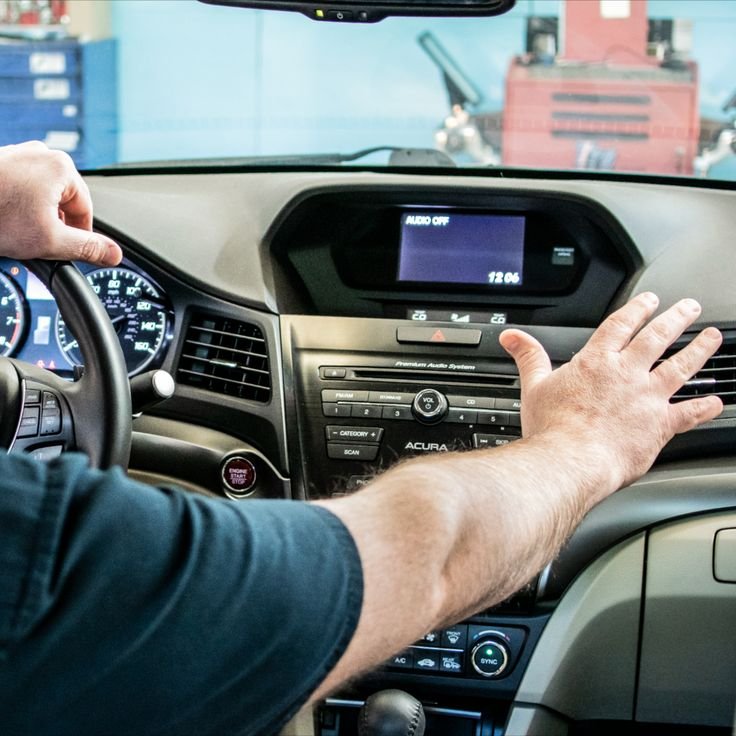
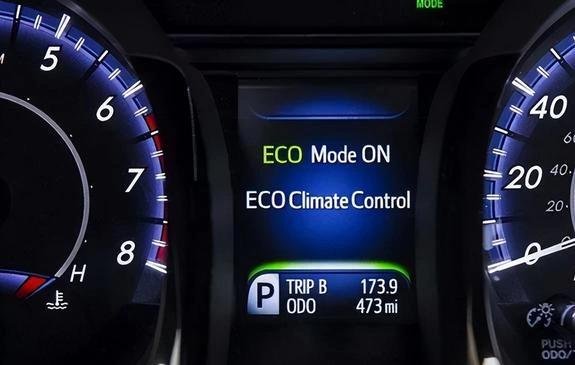
Have you ever noticed an ECO button or green ECO light on your car’s dashboard and wondered what it actually does? Many modern cars include an Eco mode designed to help drivers use fuel more efficiently. However, not every driver understands when to turn it on, whether it affects engine performance, or if it can really save money on fuel.
So, what does ECO mode do in a car? In simple terms, ECO mode adjusts certain vehicle systems to encourage more efficient driving. Depending on your car’s make and model, it may change throttle response, transmission shifting, climate control, or other settings to help reduce fuel consumption.
In this guide, you will learn how ECO mode works, its advantages and disadvantages, and when you should use it in everyday driving.
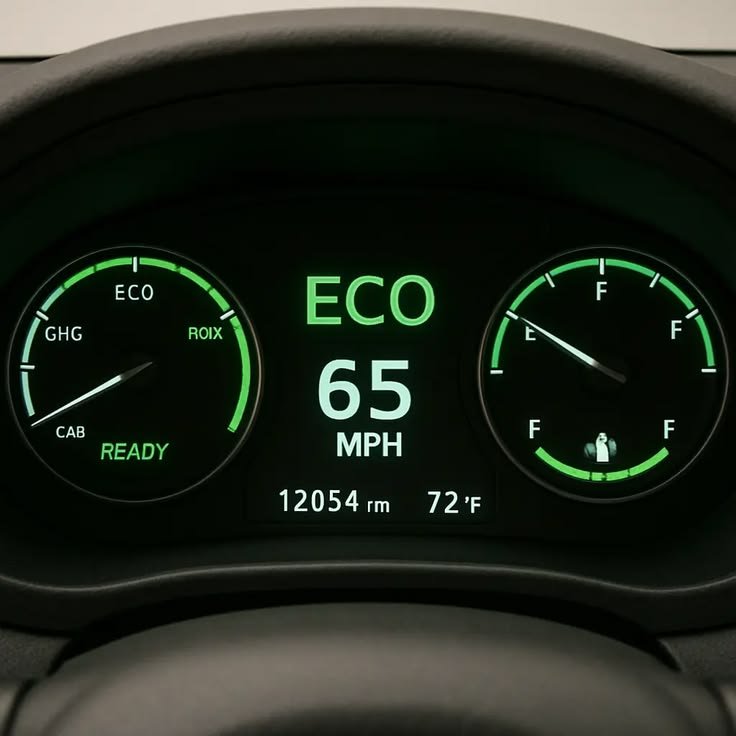
What Does ECO Mode Do in a Car?
ECO mode, also called Economy mode, is a driving setting designed to improve fuel efficiency. When you activate it, your car may respond more gently when you press the accelerator, helping you avoid unnecessary rapid acceleration.
Some vehicles also adjust the automatic transmission so it can shift gears earlier or keep engine speeds lower when conditions allow. In certain models, the climate control system may operate differently to reduce the energy required to cool or heat the cabin.
The exact changes depend on the manufacturer. ECO mode does not work identically in every car, so checking your owner’s manual is the best way to understand what your vehicle’s ECO setting actually changes.
When Should You Use Eco Mode in a Car?
Understanding what does eco mode in a car mean can help you decide when to use this feature. Eco mode is generally useful during normal city driving and steady-speed commuting. However, if you need quick acceleration for overtaking or merging onto a highway, normal driving mode may be more suitable.
How Does ECO Mode Work in a Car?
ECO mode usually works by managing how the vehicle responds to your driving inputs. Here are the main ways it may help improve fuel economy.
1. ECO Mode Adjusts Throttle Response
When ECO mode is active, pressing the accelerator may produce a slower, smoother response than it would in Normal or Sport mode.
For example, if you press the pedal quickly to move away from a traffic light, your car may limit how aggressively it responds. This can encourage smoother acceleration and help reduce unnecessary fuel consumption.
Remember, ECO mode does not necessarily reduce the engine’s maximum power. It may simply make that power less immediately accessible during ordinary driving.
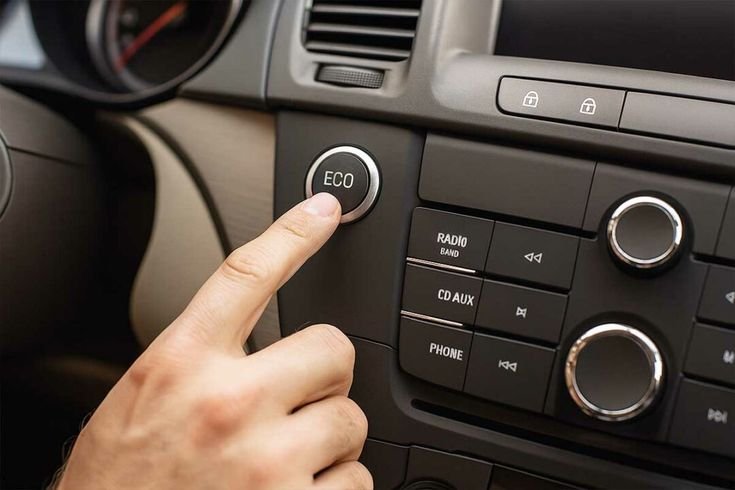
2. ECO Mode Can Change Gear Shifting
In cars with automatic transmissions, ECO mode may encourage earlier gear changes or keep the engine operating at lower revolutions per minute (RPM) when appropriate.
Lower engine speeds can help reduce fuel consumption in suitable driving conditions. However, if you need to accelerate quickly, climb a steep hill, or overtake another vehicle, the transmission may still select a lower gear when necessary.
Benefits of Eco Mode in a Car
One of the main benefits of eco mode is improved fuel efficiency. If you are wondering what does eco mode in a car do, it helps optimize engine response and other systems to reduce fuel consumption. This feature can be useful for daily commuting and regular city driving.
3. ECO Mode May Adjust Air Conditioning
Running the air conditioner requires energy, and in many petrol and diesel cars, that energy ultimately comes from the engine. Some vehicles adjust their climate control settings in ECO mode to reduce the system’s energy demand.
You might notice slightly different cooling performance or a change in how the climate control operates. Other cars may make little or no noticeable change to the AC.
This feature varies by vehicle, and hybrid or electric cars may manage climate control differently.
4. ECO Mode Helps Encourage Smooth Driving
Fuel-efficient driving is not only about the engine. Rapid acceleration, unnecessary braking, and constantly changing speed can increase energy consumption.
ECO mode may help you drive more smoothly by making acceleration less aggressive. Combining this setting with steady speeds, sensible anticipation of traffic, and proper tyre pressure can help improve fuel economy.
Does ECO Mode Actually Save Fuel?
Yes, ECO mode can help save fuel, but the amount depends on your car, road conditions, traffic, driving habits, and the systems affected by the setting.
For example, a driver who frequently accelerates hard in city traffic may notice a benefit from ECO mode because it encourages gentler acceleration. However, a driver who already accelerates smoothly and maintains a steady speed may see a smaller improvement.
There is no single fuel-saving percentage that applies to every vehicle. The best way to measure the difference is to compare fuel consumption over several similar journeys while keeping your driving habits and route as consistent as possible.
Also remember that ECO mode cannot overcome every factor affecting fuel economy. Heavy traffic, excessive vehicle weight, poor tyre pressure, and frequent short journeys can still increase fuel consumption.
What Are the Benefits of ECO Mode?
ECO mode can be useful for everyday driving, especially when your priority is efficiency rather than quick acceleration.
The main benefits include:
- Better fuel efficiency: It may help reduce fuel use by encouraging smoother acceleration and adjusting selected vehicle systems.
- Lower fuel expenses: Using less fuel over time can reduce how much you spend on petrol or diesel.
- Smoother driving: Gentler throttle response may make acceleration more controlled in everyday traffic.
- More efficient commuting: ECO mode can be useful for regular journeys where strong acceleration is rarely needed.
- Potentially improved driving habits: It can encourage you to avoid unnecessary acceleration and maintain a steadier pace.
The results are not guaranteed. Your actual savings depend on the vehicle and how you drive it.
What Are the Disadvantages of ECO Mode?
Although ECO mode has advantages, it is not always the best setting for every situation.
Slower Acceleration
Some cars feel less responsive in ECO mode, particularly when accelerating from a stop or trying to gain speed quickly. This can be noticeable when joining a fast-moving road.
Reduced Comfort in Some Vehicles
If your vehicle adjusts the air conditioning, cabin cooling or heating may feel less aggressive under certain conditions.
Less Immediate Power Response
ECO mode may not be ideal when you need rapid acceleration, such as when merging into fast traffic or overtaking. You should always have enough power and space to complete a manoeuvre safely.
Fuel Savings May Be Small
If you already drive efficiently, switching to ECO mode may not produce a large difference in fuel consumption.

When Should You Use ECO Mode in Your Car?
ECO mode is generally useful when you want to drive efficiently and do not need rapid acceleration.
Consider using it in these situations:
- Daily commuting: It can help encourage smoother driving on familiar routes.
- City driving: Gentle acceleration may help reduce unnecessary fuel use in stop-and-go traffic, although heavy congestion still wastes fuel.
- Steady-speed journeys: It may be useful when travelling under conditions that allow smooth, consistent driving.
- Routine errands: ECO mode can suit ordinary trips where quick acceleration is not necessary.
However, do not assume ECO mode always provides the best efficiency at every speed. Follow your vehicle’s instructions and adapt to road conditions.
Is It Safe to Drive in ECO Mode All the Time?
For most vehicles, using ECO mode regularly is fine when conditions are suitable and the manufacturer permits it. The mode is designed for efficient operation, not as a setting that automatically damages the engine.
However, you should prioritise safe driving over fuel savings. If you need stronger acceleration to merge, climb a steep hill, or respond to traffic, use the driving mode that allows you to control the vehicle safely. You can switch modes according to your car’s instructions.
ECO mode also does not replace routine maintenance. Regular servicing, correct tyre pressure, clean filters where applicable, and the recommended engine oil all contribute to proper vehicle performance.
ECO Mode vs Normal Mode vs Sport Mode
These driving modes serve different purposes, although their exact behaviour varies between vehicles.
- ECO mode: Prioritises efficiency through gentler responses or other energy-saving adjustments.
- Normal mode: Offers a balanced response for everyday driving.
- Sport mode: Often provides sharper accelerator response and may hold lower gears longer for stronger performance.
Sport mode can increase fuel consumption if it encourages higher engine speeds and more aggressive acceleration. ECO mode is generally the better choice when efficiency is your priority, while Normal mode offers a useful balance for mixed driving.
Final Thoughts: What Does ECO Mode Do in a Car?
Understanding what ECO mode does in a car can help you make better decisions about fuel economy and everyday driving. Depending on the vehicle, ECO mode may adjust throttle response, transmission behaviour, climate control, or other systems to encourage more efficient operation.
It can be particularly useful for commuting and routine journeys where smooth acceleration is enough. However, fuel savings vary, and ECO mode is not a substitute for good driving habits or proper vehicle maintenance.
For the best results, check your owner’s manual, use ECO mode when conditions are suitable, maintain your vehicle regularly, and focus on smooth, predictable driving. These habits can help you get the most out of every tank of fuel without compromising safety.