
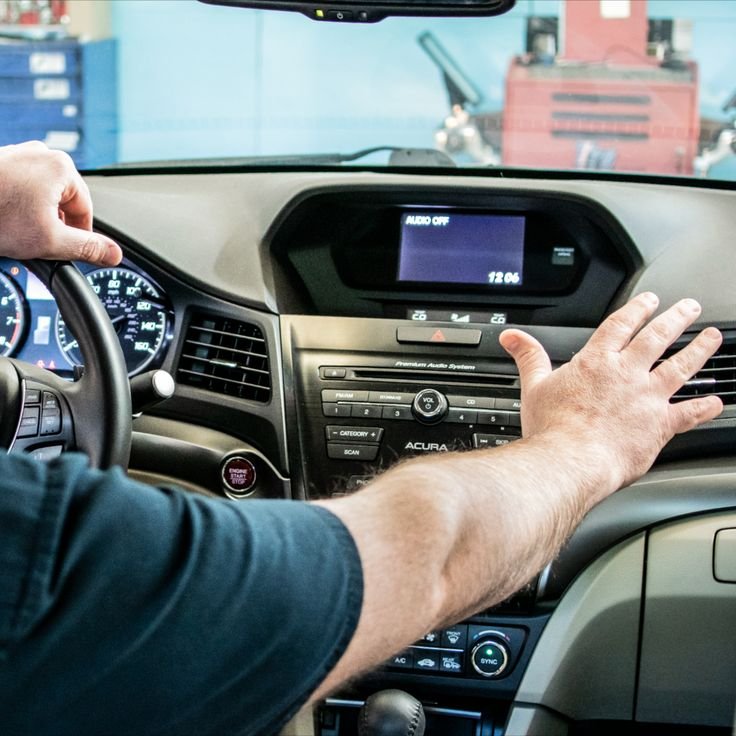
Have you ever turned on your car’s air conditioner on a hot day, expecting cool air, but felt warm air coming through the vents instead? It can make even a short drive uncomfortable. If you are wondering why is my car AC not blowing cold air, the problem could be something simple, such as incorrect settings or a dirty cabin air filter, or something more serious, such as low refrigerant or a faulty AC compressor.
The good news is that you can check a few things before spending money on repairs. This guide explains the common causes of a car AC not cooling, the warning signs to look for, and when it is better to visit a professional mechanic.
Why Is My Car AC Not Blowing Cold Air? 7 Common Causes
Your car’s air conditioning system has several parts that work together to remove heat from the cabin. When one part stops working correctly, the air may become warm or the airflow may become weak.
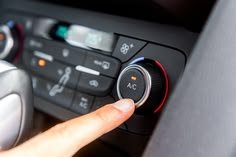
1. Low Refrigerant or an AC Leak
Refrigerant is the substance that helps your car’s AC system absorb heat from inside the cabin and release it outside. If the refrigerant level becomes too low, the system may struggle to produce cold air.
A low refrigerant level often indicates a leak because the AC system is designed to be sealed. Leaks can develop around hoses, seals, connections, or other components.
What you may notice:
- The AC blows slightly cool or warm air.
- Cooling performance gets worse over time.
- The AC switches on and off more frequently than usual.
What to do: Have the system checked for leaks before adding refrigerant. Simply refilling it without fixing the leak may only provide temporary relief.
2. A Faulty AC Compressor
The AC compressor circulates refrigerant through the air conditioning system. If it fails or does not engage, the system may stop cooling properly.
You might notice that the AC blows warm air even when the temperature is set to its lowest level. Unusual noises when the AC is switched on can also indicate a possible compressor or belt problem.
What to do: A mechanic can inspect the compressor, its clutch where fitted, electrical connections, and refrigerant pressure before recommending a repair.
3. A Dirty or Blocked Condenser
The condenser helps release heat from the refrigerant. It is usually located near the front of the vehicle, where it receives airflow through the grille.
Dust, leaves, insects, and road debris can restrict airflow through the condenser. If heat cannot escape efficiently, the AC may struggle to cool the cabin, especially when the car is stationary.
What to do: Look for visible debris around the front grille when the engine is switched off and cool. Avoid damaging the delicate condenser fins. A professional can inspect and clean the component safely.
4. A Clogged Cabin Air Filter
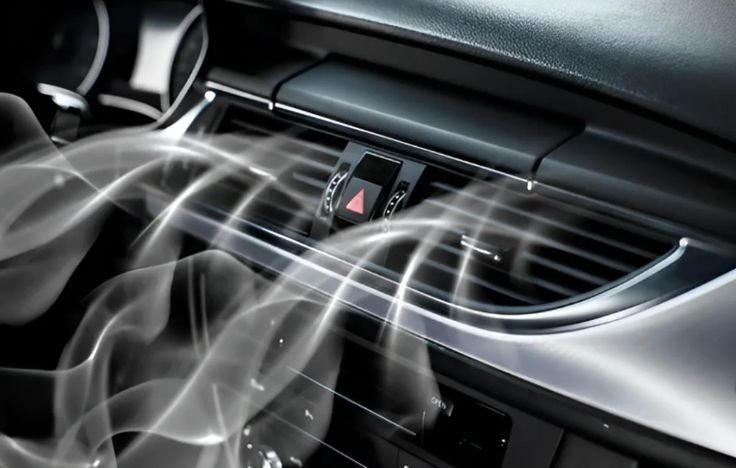
If your car AC is blowing air but the airflow feels weak, a dirty cabin air filter could be responsible. The filter traps dust, pollen, and other particles before air enters the cabin.
Over time, it can become clogged and reduce the amount of air passing through the vents. The AC may still produce cold air, but you might not feel enough of it.
What to do: Check your owner’s manual for the cabin air filter location and replacement interval. If the filter is dirty, replace it with the correct type for your vehicle.
5. A Faulty Cooling Fan
The condenser needs sufficient airflow to release heat. When the cooling fan fails, the AC may work better while driving and become warmer when the vehicle is stopped in traffic.
This symptom can point to a fan, relay, fuse, wiring, or control problem. It does not automatically mean that the fan itself needs replacing.
What to do: If your AC cools while driving but blows warm air at idle, have the cooling fan and its electrical controls inspected. Keep your hands away from fans and moving engine parts.
6. An Electrical Problem or Blown Fuse
Your car’s AC depends on electrical components, including fuses, relays, sensors, switches, and control modules. A fault in one of these parts may prevent the compressor from engaging or interrupt the system’s operation.
For example, the AC button may light up, but the compressor may not run because a safety sensor has detected a problem.
What to do: Check your owner’s manual to identify the correct AC fuse. Replace a blown fuse only with one of the specified rating. If it blows again, do not keep replacing it; an electrical fault needs proper diagnosis.
7. A Temperature Blend Door Problem
Inside the dashboard, a blend door helps control how much air passes through the heating and cooling pathways. If its actuator becomes faulty or the door gets stuck, warm air may enter the cabin even when the AC system is producing cold air.
Possible clues include clicking sounds behind the dashboard or one side of a dual-zone climate system blowing warmer air than the other.
What to do: A mechanic can check the blend door actuator and climate-control system. Dashboard components can be difficult to access, so replacing parts without diagnosis is not a good idea.
How to Check Why Your Car AC Is Not Blowing Cold Air
Before booking a repair, try these simple checks:
- Check the settings: Select the coldest temperature, turn the AC on, and set the fan to a comfortable speed.
- Check the airflow: Notice whether air comes out strongly or only in small amounts. Weak airflow may indicate a filter or blower problem.
- Compare the symptoms: Does the AC blow warm air all the time, only at idle, or after cooling for a few minutes? This information can help a mechanic.
- Look for visible debris: With the engine off and cool, check the front grille for leaves or other obstructions.
- Notice unusual sounds: Clicking, grinding, or squealing noises may indicate a mechanical or electrical issue.
These checks can help narrow down the possibilities, but they cannot confirm the exact fault. AC pressure testing and leak detection may be necessary.
Why Is My Car AC Not Blowing Cold Air When Idling?
If the AC cools while driving but becomes warm when you stop, the condenser may not be receiving enough airflow. A faulty cooling fan or a blocked condenser is one possible explanation.
Low refrigerant, excessive system pressure, or other faults may also cause similar symptoms. Avoid assuming that the AC only needs more refrigerant. A proper inspection can identify the actual cause.
Can You Fix a Car AC That Is Not Blowing Cold Air at Home?
Some basic problems can be addressed at home. You can correct the temperature settings, replace an accessible cabin air filter, and remove loose debris around the front grille when the engine is off and cool.
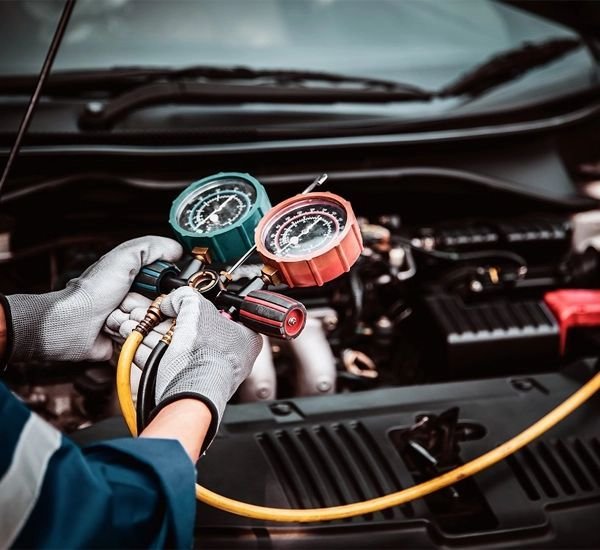
However, refrigerant handling, leak repairs, pressure testing, compressor replacement, and electrical diagnosis often require specialist tools and training. Refrigerant can cause cold burns, and incorrect handling can damage the AC system.
Do not open refrigerant lines or release refrigerant into the atmosphere. If the system needs recharging, follow the vehicle manufacturer’s specifications and have the leak repaired first.
How Can You Prevent Car AC Problems?
Regular maintenance can help your air conditioner work more reliably.
- Replace the cabin air filter according to the maintenance schedule.
- Keep the front grille clear of leaves and debris.
- Pay attention to changes in cooling performance.
- Get unusual noises or repeated AC failures checked early.
- Follow your vehicle manufacturer’s maintenance recommendations.
If the AC gradually becomes less effective, arranging an inspection early may help prevent a minor issue from becoming a more expensive repair.
Final Thoughts: Why Is My Car AC Not Blowing Cold Air?
If your car AC is not blowing cold air, the cause could be low refrigerant, a faulty compressor, a dirty condenser, a clogged cabin filter, an electrical issue, or a cooling fan problem. The symptoms can help narrow down the possibilities, but a proper diagnosis is the best way to avoid unnecessary repairs.
Start with simple checks such as the AC settings and cabin air filter. If the air remains warm, the system repeatedly loses cooling, or you notice unusual noises, have a qualified technician inspect it.
Understanding why your car AC is not blowing cold air can help you describe the problem clearly, make informed repair decisions, and get back to a more comfortable drive.





1 Comment
[…] the air conditioner requires energy, and in many petrol and diesel cars, that energy ultimately comes from the engine. Some vehicles […]