
An advanced mobility need can mean needing extra support to move around safely, comfortably, and independently. For some people, this may involve using a mobility scooter, wheelchair, walking aid, or specially designed vehicle. For others, it can mean finding better transportation solutions that make everyday travel easier.
Mobility is an important part of daily life. It helps people travel to work, visit family, attend appointments, and enjoy outdoor activities. When walking or moving becomes difficult, choosing the right mobility solution can make a meaningful difference.
In this guide, we explain what advanced mobility needs mean, which mobility aids are available, and how to choose a solution that fits your lifestyle.
What Is an Advanced Mobility Need?
An advanced mobility need refers to a situation where a person requires additional assistance, equipment, or transportation support to move around effectively.
For example, an older adult may need a walking aid for better stability, while someone who cannot walk long distances may benefit from a mobility scooter. A person who uses a wheelchair may need an accessible vehicle to travel comfortably.
Common mobility solutions include:
- Wheelchairs for people who need seated mobility.
- Mobility scooters for suitable outdoor and indoor journeys.
- Walking frames and rollators for additional support.
- Wheelchair-accessible vehicles for easier transportation.
- Powered mobility devices for people who need help moving independently.
The right option depends on the individual’s mobility, environment, comfort, and daily activities.
Why Do People Have Advanced Mobility Needs?
People can have different mobility needs at different stages of life. Some need temporary assistance after an injury, while others require long-term support.
Advanced Mobility Need Due to Age
As people get older, balance, strength, or endurance may change. Walking long distances or climbing stairs can become more difficult.
A walking frame, rollator, or mobility scooter may help some older adults complete daily activities. However, the most appropriate option depends on their individual abilities and surroundings.
Advanced Mobility Need After an Injury
An injury or operation can temporarily limit movement. Crutches, walkers, or wheelchairs may help a person move around while recovering.
Always follow the advice of a qualified healthcare professional when choosing mobility equipment during recovery.
Advanced Mobility Need for Everyday Independence
Some people need mobility assistance to travel to work, shop, attend appointments, or spend time outdoors.
The right mobility aid can reduce barriers and help people participate more comfortably in everyday life.
What Are the Best Advanced Mobility Solutions?
There is no single mobility solution that works for everyone. Different devices serve different purposes.
Mobility Scooters for Advanced Mobility Needs
Mobility scooters are powered devices designed to help eligible users travel without walking the entire distance.
They may be useful for shopping trips, outdoor activities, and other journeys, depending on the model and the user’s needs.
Before purchasing a mobility scooter, consider battery range, turning space, maximum user weight, terrain, storage, and charging requirements. Also check local rules about where scooters can be used.
Wheelchairs for Advanced Mobility Needs
Wheelchairs provide seated mobility for people who have difficulty walking or standing for extended periods.
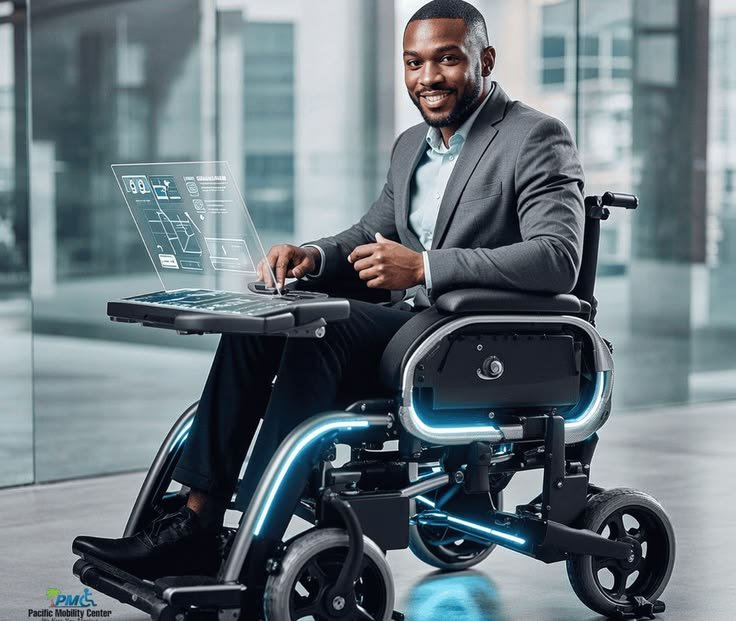
Manual wheelchairs require the user or a helper to propel them. Powered wheelchairs use a motor and controls to support movement.
The correct wheelchair should fit the user properly and suit their daily environment. Professional advice can help with comfort, posture, and safe operation.
Walking Aids for Advanced Mobility Needs
Walking aids include canes, walkers, and rollators. They can provide additional support for people who can walk but need help with balance or stability.
A cane may suit someone who needs limited support, while a walker may offer a wider base of stability. Rollators usually include wheels and may have a seat.
Using an unsuitable walking aid can increase the risk of falls, so ask a qualified professional for guidance if you are unsure which option is appropriate.
Accessible Vehicles for Advanced Mobility Needs
Transportation can be challenging when a person uses a wheelchair or has difficulty getting in and out of a standard car.
Wheelchair-accessible vehicles may include ramps, lifts, securement systems, or modified seating. The best arrangement depends on whether the person travels as a passenger or needs to drive.
Before choosing a vehicle, check accessibility, safety features, space, maintenance costs, and compatibility with the mobility equipment.
How to Choose the Right Advanced Mobility Solution
Choosing the right mobility solution requires more than comparing prices. The equipment should match the person’s physical needs and daily routine.
1. Identify your mobility needs. Consider whether support is needed indoors, outdoors, at work, or during travel.
2. Consider comfort and fit. The device should suit the user’s body, posture, strength, and ability to operate it.
3. Check safety features. Look for suitable brakes, stability, secure seating, and easy-to-use controls.
4. Compare portability and storage. Some devices fold or disassemble, while others require more space.
5. Review maintenance costs. Powered equipment may require battery replacement, charging, servicing, and occasional repairs.
6. Get professional advice. An occupational therapist, physiotherapist, or qualified mobility specialist may help identify a suitable solution.
Whenever possible, test the equipment before purchasing it.
How Advanced Mobility Technology Is Improving Everyday Life
Modern mobility technology is creating more options for people who need assistance with movement.
Powered wheelchairs can offer controls suited to different abilities. Mobility scooters may include improved battery systems, adjustable seating, and lighting. Accessible vehicles can make journeys more convenient when appropriately designed and fitted.
However, advanced features do not automatically make a product the best choice. Reliability, ease of use, safety, and suitability should come first.
People should also consider access to replacement parts, servicing, and technical support before choosing powered mobility equipment.
How to Maintain Equipment for Advanced Mobility Needs
Proper maintenance helps mobility equipment remain safe and reliable.
- Inspect wheels, tyres, brakes, and moving parts regularly.
- Follow the manufacturer’s battery charging instructions.
- Keep equipment clean and store it in an appropriate location.
- Check that wheelchair restraints and accessible vehicle equipment are working correctly.
- Arrange professional servicing when recommended.
- Stop using damaged equipment until it has been inspected or repaired.
For powered devices, do not ignore unusual noises, reduced battery performance, or problems with steering and controls.
Advanced Mobility Need: Frequently Asked Questions
What does advanced mobility need mean?
It generally refers to requiring additional equipment, assistance, or transportation solutions to move around safely and comfortably.
What equipment helps with advanced mobility needs?
Depending on the individual, options may include wheelchairs, mobility scooters, canes, walkers, rollators, or accessible vehicles.
Are mobility scooters suitable for everyone?
No. Suitability depends on the person’s abilities, environment, scooter design, and local regulations. Professional guidance may be helpful.
How much do advanced mobility solutions cost?
Prices vary widely according to equipment type, features, customization, and location. Compare the total cost, including servicing, batteries, repairs, and accessories.
How can I choose the best mobility aid?
Start by identifying the activities you need help with, then consider safety, comfort, fit, portability, and professional recommendations.
Final Thoughts on Advanced Mobility Need
An advanced mobility need does not mean giving up independence. With the right equipment and suitable support, many people can make daily activities and transportation more manageable.
The best solution depends on individual requirements, whether that means a simple walking aid, a powered wheelchair, a mobility scooter, or an accessible vehicle.
At AutoBasicLabs, we believe useful information helps people make smarter decisions. Explore our guides for more practical information about mobility solutions, automotive technology, and everyday transportation.
Choose the mobility solution that fits your needs, prioritize safety, and take the next step toward more comfortable everyday travel.