If you own a car, knowing how long do car batteries last can help you avoid unexpected breakdowns and expensive repairs. A car battery is responsible for providing the electrical power needed to start your engine and operate essential vehicle systems. When the battery becomes weak, you may experience slow starting, dim headlights, or a car that refuses to start.
Most conventional car batteries last around three to five years, but their lifespan depends on climate, driving habits, battery quality, and maintenance. The good news is that you can recognize early warning signs and take simple steps to keep your battery working properly.
In this guide, AutoBasicLabs explains how long car batteries last, what affects battery life, and how to know when your battery needs replacing.
How Long Do Car Batteries Last on Average?
The average car battery lifespan is approximately three to five years for many conventional vehicles. However, not every battery follows the same timeline. Some batteries fail earlier because of extreme temperatures or charging problems, while others continue working for longer.
Your battery’s lifespan depends on several factors:
- Battery quality: A suitable, high-quality battery may offer better reliability.
- Weather conditions: Extreme heat can accelerate battery deterioration.
- Driving habits: Frequent short trips may prevent the battery from fully recharging.
- Vehicle condition: Electrical problems can drain a battery unexpectedly.
- Maintenance: Clean connections and regular testing help identify problems early.
If your battery is more than three years old, consider having it tested periodically. This is particularly useful before a long journey or during very hot weather.
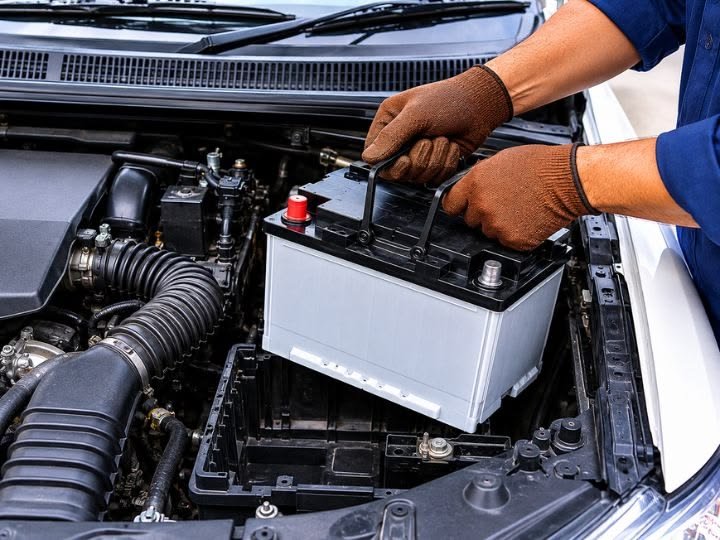
How Long Do Car Batteries Last in Hot Weather?
Hot weather can significantly affect how long car batteries last. High temperatures accelerate internal chemical reactions and can increase water loss in certain battery designs. Over time, this may shorten the battery’s useful life.
Drivers in hot climates should pay particular attention to battery condition during summer. However, cold weather can also reduce a battery’s ability to deliver starting power, especially when the battery is already weak.
To protect your battery in hot weather:
- Park in a shaded or covered area whenever possible.
- Check battery terminals for corrosion.
- Ask a mechanic to test battery health before summer road trips.
- Make sure the alternator is charging correctly.
- Replace a damaged or unreliable battery when testing indicates it is necessary.
Remember, parking in the shade can reduce direct sun exposure, but it cannot completely prevent heat from building up under the hood.
How Long Do Car Batteries Last Before Showing Warning Signs?
A car battery does not always stop working without warning. In many cases, it shows symptoms that indicate declining performance.
How Long Do Car Batteries Last Before Slow Engine Starting?
If your engine takes longer than usual to start, the battery may not be supplying enough power. You might notice that the engine cranks slowly, particularly after the car has been parked overnight.
A weak battery is one possible cause, but a faulty starter motor or charging-system problem can produce similar symptoms. Get the vehicle checked before deciding which component to replace.
How Long Do Car Batteries Last Before Clicking Sounds Appear?
A clicking sound when starting the car can indicate insufficient electrical power reaching the starter. This may happen when the battery is weak or its connections are loose.
If the clicking continues, arrange a battery and electrical-system inspection rather than repeatedly attempting to start the vehicle.
How Long Do Car Batteries Last Before Headlights Become Dim?
Dim headlights, flickering dashboard lights, or unusual electrical behavior can indicate a battery or charging problem. These symptoms may also be caused by wiring issues or a failing alternator.
A professional test can help identify the real cause and prevent unnecessary replacement costs.
How Long Do Car Batteries Last With Regular Maintenance?
Regular maintenance can help you get the most out of your battery, although it cannot stop normal aging.
Here are practical car battery maintenance tips:
1. Keep battery terminals clean. Corrosion can interfere with electrical connections. Have the terminals cleaned safely when necessary.
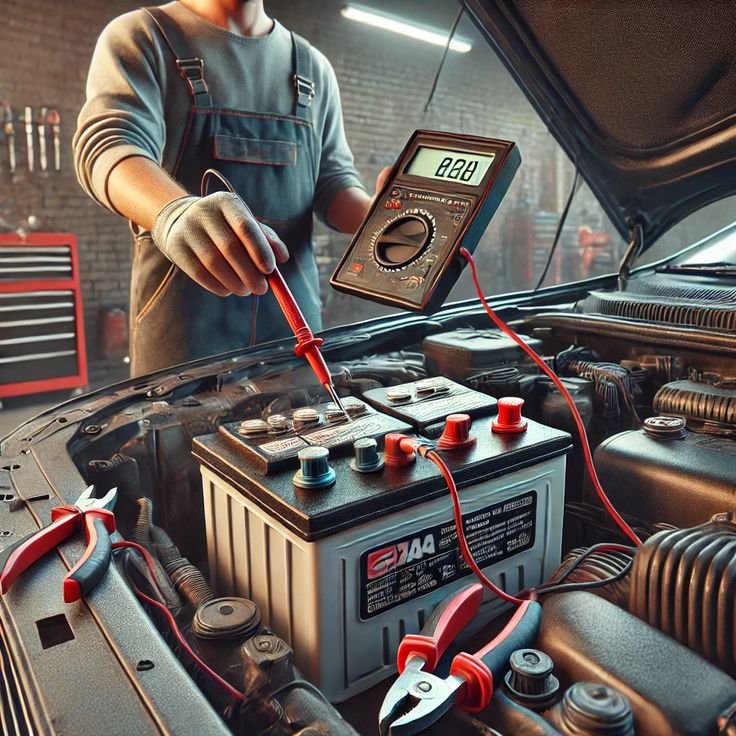
2. Check battery health regularly. A battery tester can assess its condition and starting performance.
3. Avoid leaving electrical accessories switched on. Headlights and other accessories can drain the battery when the engine is off.
4. Drive regularly when practical. Normal driving allows the alternator to replenish the energy used during starting, although frequent short trips may not provide enough charging time.
5. Inspect the battery mounting. A securely mounted battery is less likely to experience excessive movement and vibration.
6. Check the charging system. An alternator that does not charge correctly can leave even a new battery undercharged.
Following these steps may improve reliability and help you identify potential problems before they become serious.
How Long Do Car Batteries Last If a Car Is Not Driven?
A car battery gradually loses charge while the vehicle is parked. Modern cars also use small amounts of electricity to maintain settings, security systems, and onboard electronics.
If your vehicle remains unused for several weeks, the battery may become discharged, especially if it is already old or weak. Repeated deep discharging can damage the battery and reduce its lifespan.
If you do not drive regularly, consider these precautions:
- Follow the manufacturer’s instructions for vehicle storage.
- Use a compatible battery maintainer when appropriate.
- Check the battery condition before restarting a car that has been parked for a long time.
- Investigate any unusual electrical drain.
Do not assume that a battery needs replacing simply because it has gone flat. Testing can help determine whether it can still hold a charge.
How Long Do Car Batteries Last Before Replacement Is Necessary?
Age alone does not determine whether you need a new battery. The most reliable decision comes from combining battery age, visible condition, starting performance, and professional testing.
Consider replacing your battery if:
- It repeatedly fails a battery health test.
- It cannot reliably hold a charge.
- Your car regularly requires jump-starts.
- The battery has physical damage or leakage.
- A technician confirms that the battery has reached the end of its useful life.
A swollen or leaking battery requires special care. Do not attempt to charge or jump-start a visibly damaged battery; arrange professional assistance.
Before installing a replacement, check the recommended battery type, dimensions, capacity, and starting-power rating for your vehicle. Some modern vehicles require specific battery technologies or battery-management procedures.
You should also have the alternator and electrical system checked if the old battery failed unexpectedly. Otherwise, the underlying problem could damage the replacement battery as well.
How Long Do Car Batteries Last Compared With Different Battery Types?
Battery lifespan varies by design, usage, and operating conditions. The following figures are general estimates rather than guaranteed service lives.
| Battery type | General lifespan estimate |
|---|---|
| Conventional flooded lead-acid | Around 3–5 years |
| AGM battery | Often around 3–5 years, sometimes longer |
| Enhanced flooded battery (EFB) | Commonly around 3–5 years, depending on use |
| Hybrid or electric vehicle traction battery | Often designed for many years; different from a conventional 12-volt battery |
Actual lifespan depends on the manufacturer’s specifications, climate, charging conditions, and usage. Hybrid and electric vehicles also have separate low-voltage batteries, so their traction-battery warranties should not be confused with ordinary car battery replacement intervals.
How Long Do Car Batteries Last? Frequently Asked Questions
How long do car batteries last in normal conditions?
Many conventional car batteries last around three to five years. Regular testing can help you identify a weak battery before it fails.
How long do car batteries last in summer?
There is no fixed summer lifespan. High temperatures can accelerate deterioration, so battery condition and charging performance are especially important in hot climates.
How long do car batteries last after a jump-start?
A jump-start may get your vehicle running, but it does not guarantee that the battery is healthy. If the battery repeatedly needs a jump-start, have it and the charging system tested.
How long do car batteries last if the car is parked?
A parked battery gradually loses charge, and the vehicle’s electrical systems may drain it further. How quickly this happens depends on battery condition, temperature, and electrical demand.
How long do car batteries last before they need testing?
Testing is worthwhile when starting problems appear. For preventive maintenance, consider periodic testing once the battery is around three years old, particularly in a hot climate.
Final Thoughts: How Long Do Car Batteries Last?
So, how long do car batteries last? For many conventional vehicles, the answer is approximately three to five years. However, extreme heat, short journeys, electrical problems, and poor charging conditions can shorten battery life.
The smartest approach is to monitor warning signs, maintain clean connections, and test the battery regularly. If your vehicle struggles to start, find the cause before the battery fails completely.
At AutoBasicLabs, we share practical car maintenance tips to help drivers make informed decisions and keep their vehicles running reliably.
Want more helpful automotive advice? Explore AutoBasicLabs for easy-to-follow guides on car maintenance, battery care, vehicle accessories, and everyday driving problems.