
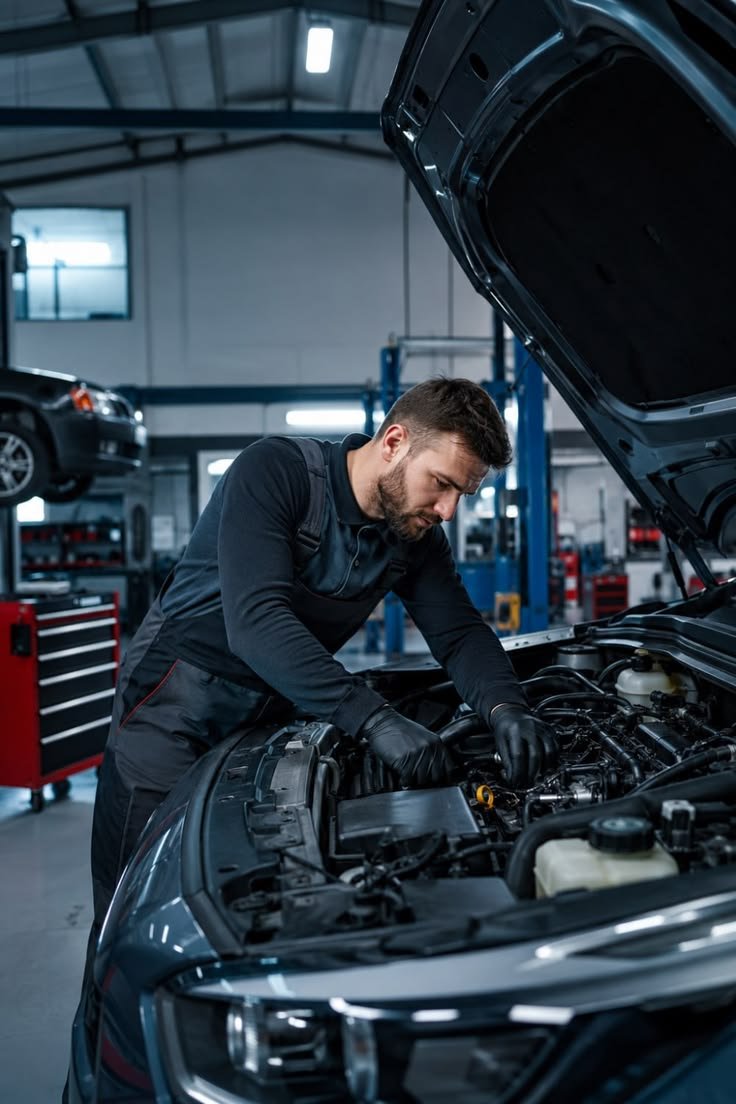
Taking care of your car is not only about keeping it looking clean and shiny. Regular maintenance plays an important role in keeping your vehicle safe, reliable, comfortable, and efficient. A car that receives proper care can perform better and may also help you avoid expensive repairs in the future.
Whether you drive a daily commuter, family SUV, luxury car, or an older vehicle, following some basic car maintenance tips can make a big difference. You do not always need to be a professional mechanic to take care of your car. Many important maintenance tasks are simple enough for any car owner to understand.
1. Check Your Engine Oil Regularly
Engine oil is one of the most important fluids in your vehicle. It lubricates the engine’s moving parts and helps reduce friction and heat.
Make it a habit to check your oil level regularly, especially before long trips. If the oil level is too low, your engine may not receive enough lubrication. Dirty or old oil can also affect engine performance.
Follow your vehicle manufacturer’s recommended oil-change interval. The correct interval can vary depending on the vehicle, oil type, driving conditions, and model year.
Tip: Always use the oil grade recommended in your owner’s manual.
2. Keep Your Tires Properly Inflated
Your tires are the only parts of your car that directly touch the road, so their condition is extremely important for safety.
Check tire pressure regularly and keep it at the recommended level. Driving with underinflated tires can increase rolling resistance and fuel consumption, while incorrect pressure can affect handling and tire wear.
Also inspect your tires for:
- Uneven tread wear
- Cracks or visible damage
- Nails or other objects
- Low tread depth
- Bulges on the sidewall
Do not forget to check your spare tire as well.
3. Check the Brakes
Brakes are one of the most important safety systems in your vehicle. If you notice squeaking, grinding, vibration, or a change in braking performance, do not ignore it.
Brake pads and rotors naturally wear over time. The rate of wear depends on driving habits, traffic conditions, vehicle weight, and other factors.
If your brake pedal feels unusual or your car takes longer than normal to stop, have the braking system inspected by a qualified technician.
4. Replace the Air Filter When Needed
The engine needs clean air to operate properly. The air filter prevents dust, dirt, and other particles from entering the engine.
A clogged air filter can restrict airflow and may affect engine performance. Check your vehicle’s maintenance schedule to determine when it should be inspected or replaced.
If you frequently drive on dusty roads, your air filter may require more frequent attention.
5. Take Care of Your Battery
A weak battery can leave you stranded when you least expect it. Inspect the battery periodically and look for corrosion around the terminals.
Also pay attention to signs such as:
- Slow engine cranking
- Dim headlights
- Electrical problems
- Difficulty starting the car
Modern vehicles may have different battery requirements, so always use the correct replacement battery for your vehicle.
6. Check Important Fluids
Engine oil is not the only fluid your car needs. Several fluids help different systems operate correctly.
Depending on your vehicle, regularly check:
- Coolant
- Brake fluid
- Transmission fluid
- Windshield washer fluid
- Power steering fluid, if applicable
Low or leaking fluids can indicate a problem. If you notice fluid underneath your parked car, identify the source rather than simply ignoring it.
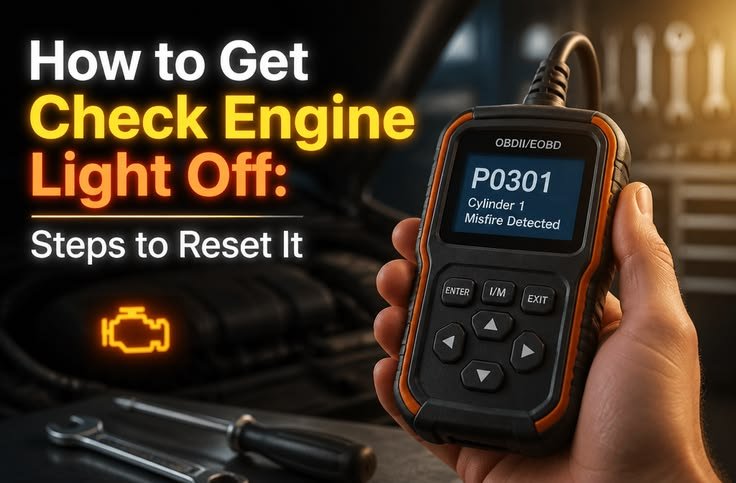
7. Pay Attention to Warning Lights
Modern vehicles use dashboard warning lights to tell drivers when something may need attention.
A warning light should never automatically be treated as something you can ignore. Some lights indicate routine maintenance, while others can signal a serious mechanical or electrical problem.
If a warning light appears, check your owner’s manual or have the vehicle scanned and inspected when necessary.
8. Replace Windshield Wipers
Good visibility is essential, particularly during rain or bad weather.
If your wipers leave streaks, skip across the glass, make unusual noises, or fail to clear water properly, it may be time to replace them.
Also keep your windshield clean. A dirty windshield combined with worn wipers can make nighttime and rainy driving more difficult.
9. Keep Your Car Clean
Cleaning your vehicle is not just about appearance. Dirt, road salt, mud, and other contaminants can affect exterior surfaces over time.
Wash your car regularly and pay attention to areas where dirt collects. If you live in an area with heavy dust, frequent cleaning can help maintain the vehicle’s appearance.
Cleaning the interior is also important. Vacuum the carpets, clean the dashboard, and remove unnecessary items from the vehicle.
A clean car is generally more pleasant to drive and easier to inspect for potential problems.
10. Rotate Your Tires
Tires may not wear evenly because the front and rear wheels can experience different loads and steering forces.
Regular tire rotation can help promote more even tread wear. However, the correct rotation pattern depends on your vehicle and tire type.
Check the owner’s manual or ask a qualified tire professional about the recommended rotation schedule.
11. Do Not Ignore Strange Sounds
Your car can often give you clues before a major problem develops.
Listen for unusual:
- Clicking sounds
- Grinding
- Squealing
- Knocking
- Humming
- Vibrations
For example, a new grinding noise while braking should be checked rather than ignored.
The earlier a problem is identified, the easier it may be to prevent additional damage.
12. Follow the Maintenance Schedule
One of the easiest car maintenance tips is also one of the most important: follow your manufacturer’s maintenance schedule.
Your owner’s manual usually provides information about recommended inspections and replacement intervals for components such as:
- Engine oil
- Filters
- Spark plugs
- Brake components
- Belts
- Coolant
- Transmission service
Instead of waiting for a problem to appear, scheduled maintenance helps you stay ahead of potential issues.
13. Check Your Lights
Take a few minutes to check your headlights, brake lights, indicators, reverse lights, and other exterior lights.
A damaged or non-working light can reduce visibility and make it harder for other drivers to see your vehicle.
This is a simple check that can be done at home without special equipment.
14. Drive Smoothly
The way you drive can also affect vehicle maintenance.
Aggressive acceleration, hard braking, excessive speeding, and driving over potholes at high speed can put additional stress on tires, brakes, suspension components, and other parts.
Smooth acceleration and braking can make driving more comfortable and may help reduce unnecessary wear.
15. Prepare Your Car Before a Long Trip
Before going on a road trip, give your car a quick inspection.
Check:
Engine: Oil and coolant levels
Tires: Pressure, tread, and visible damage
Brakes: Any unusual noise or performance changes
Lights: Headlights, brake lights, and indicators
Battery: Signs of corrosion or starting problems
Emergency items: Spare tire, jack, warning triangle, and basic tools
A few minutes of preparation can help you avoid an inconvenient breakdown far from home.
Why Regular Car Maintenance Matters
Regular maintenance can provide several benefits. It can help improve reliability, maintain performance, identify problems earlier, and potentially extend the useful life of your vehicle.
It can also help you understand your car better. When you regularly check basic components, you are more likely to notice when something changes.
Instead of thinking about maintenance as an unnecessary expense, consider it part of responsible vehicle ownership. Small maintenance costs can sometimes prevent much larger repair bills.
Simple Car Maintenance Checklist
Here is a simple checklist you can save:
| Maintenance Task | How Often |
|---|---|
| Check engine oil | Regularly |
| Check tire pressure | At least monthly and before long trips |
| Inspect brakes | During routine service or when symptoms appear |
| Check coolant | Regularly |
| Check battery | Periodically |
| Replace wipers | When they become worn |
| Check exterior lights | Regularly |
| Rotate tires | According to manufacturer recommendation |
| Replace filters | According to service schedule |
| Professional inspection | According to manufacturer schedule |
Final Thoughts
Good vehicle ownership starts with consistent care. You do not have to be a mechanic to follow these basic car maintenance tips. Checking fluids, monitoring tire condition, paying attention to warning lights, following the service schedule, and responding quickly to unusual sounds can help keep your vehicle in better condition.
The most important thing is consistency. Do not wait until your car breaks down before thinking about maintenance. A few minutes of regular checking and timely servicing can help you enjoy a safer, smoother, and more dependable driving experience.
Whether your car is brand new or several years old, regular maintenance is one of the smartest things you can do for your vehicle.



3 Comments
[…] this guide, you will learn how ECO mode works, its advantages and disadvantages, and when you should use it in everyday […]
[…] light can appear because of a loose gas cap, an emissions-system problem, a faulty sensor, or an engine performance issue. Some problems are minor, while others need immediate attention. The correct approach is to identify […]
[…] this guide, AutoBasicLabs explains how long car batteries last, what affects battery life, and how to know when your battery needs […]