
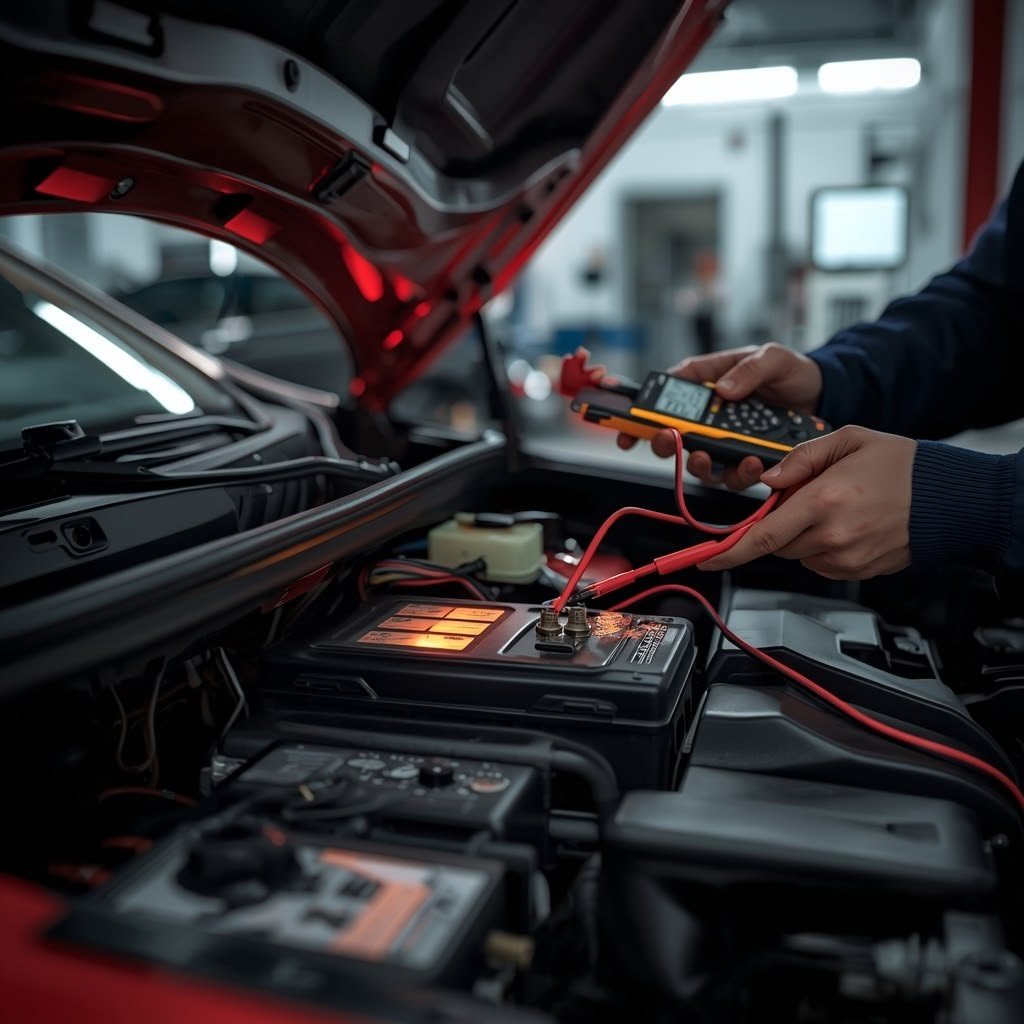
An auto battery replacement is an important part of regular vehicle maintenance. Your car battery provides the electrical power needed to start the engine and operate essential electrical systems. When a battery becomes weak or fails, your vehicle may have difficulty starting or may not start at all.
When Do You Need Auto Battery Replacement?
There are several signs that indicate it may be time for an auto battery replacement. A slow engine crank, dim headlights, clicking sounds when starting, or frequent jump-starts can all indicate a weak battery. Some batteries may also show visible corrosion around the terminals or physical swelling.
Most car batteries have a limited service life, but their lifespan can vary depending on climate, driving habits, vehicle type, and battery quality. Extremely hot or cold temperatures can also affect battery performance.
How Is a Car Battery Replaced?
During auto battery replacement, the old battery is carefully disconnected and removed. The battery terminals and connections should be inspected and cleaned before installing the new battery. The replacement battery should have the correct size, voltage, terminal position, and capacity for the vehicle.
After installation, the technician should make sure the battery is securely mounted and that the electrical system is working properly. Some modern vehicles may also require battery registration or computer-system resetting after installation.
Why Regular Battery Maintenance Matters
Regular battery inspection can help prevent unexpected breakdowns. Checking battery terminals for corrosion and monitoring starting performance can help identify problems early. It is also useful to have the charging system checked because an alternator problem can cause a new battery to lose its charge.
When Should You Replace a Car Battery?
Knowing when to replace a battery can prevent unexpected starting problems. If your vehicle needs frequent jump-starts, the engine cranks slowly, or the battery shows visible corrosion or swelling, it should be inspected. A battery that is approaching the end of its expected service life should also be tested regularly.
Before performing an auto battery replacement, it is useful to test both the battery and charging system. Sometimes a weak alternator or damaged electrical connection can create symptoms similar to a failing battery. A professional inspection can identify the actual cause of the problem.
Tips for Maintaining Your Car Battery
Simple maintenance can help your battery perform reliably. Keep the battery terminals clean and make sure the connections are secure. Avoid leaving headlights, interior lights, or other electrical accessories switched on when the engine is not running.
If your vehicle is parked for a long period, the battery may gradually lose its charge. Driving the car regularly or using an appropriate battery maintainer can help reduce this problem.
When replacing an old battery, always install a battery that matches your vehicle manufacturer’s specifications. The correct size and power rating are important for reliable starting and proper operation of the vehicle’s electrical components.
What Causes a Car Battery to Die?
Several factors can cause a car battery to lose its power. Leaving the headlights or interior lights on is one of the most common reasons. Extreme temperatures can also affect battery performance. Very hot weather can accelerate battery wear, while cold weather can make it harder for a weak battery to start the engine.
A faulty alternator can also prevent the battery from charging properly while driving. If a new battery repeatedly becomes weak, the vehicle’s charging system should be inspected.
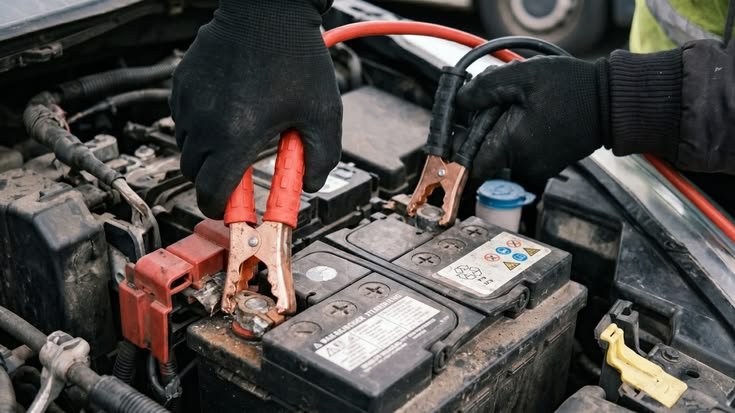
Can You Replace a Car Battery Yourself?
Replacing a car battery can be straightforward on some vehicles, but the process varies depending on the model. Before removing the old battery, the engine should be switched off and the vehicle should be parked safely.
The battery terminals must be disconnected in the correct order, and the replacement battery should be installed securely. Some modern vehicles may require battery registration or electronic system resets after installation. For these vehicles, professional auto battery replacement may be a safer option.
How to Make Your New Battery Last Longer
After installing a new battery, regular maintenance can help extend its service life. Make sure the terminals remain clean and connections stay tight. Avoid leaving electrical accessories running when the engine is switched off.
Regular driving can also help keep the battery charged. If you notice slow starting, dim lights, or repeated battery problems, have the battery and charging system tested instead of waiting for complete failure.
A good auto battery replacement combined with proper maintenance can help improve starting reliability and reduce the chances of unexpected breakdowns.
Final Thoughts
A timely auto battery replacement can improve starting reliability and prevent inconvenient roadside breakdowns. If your car shows signs of a weak battery, having it professionally tested is a smart step before replacing it.