
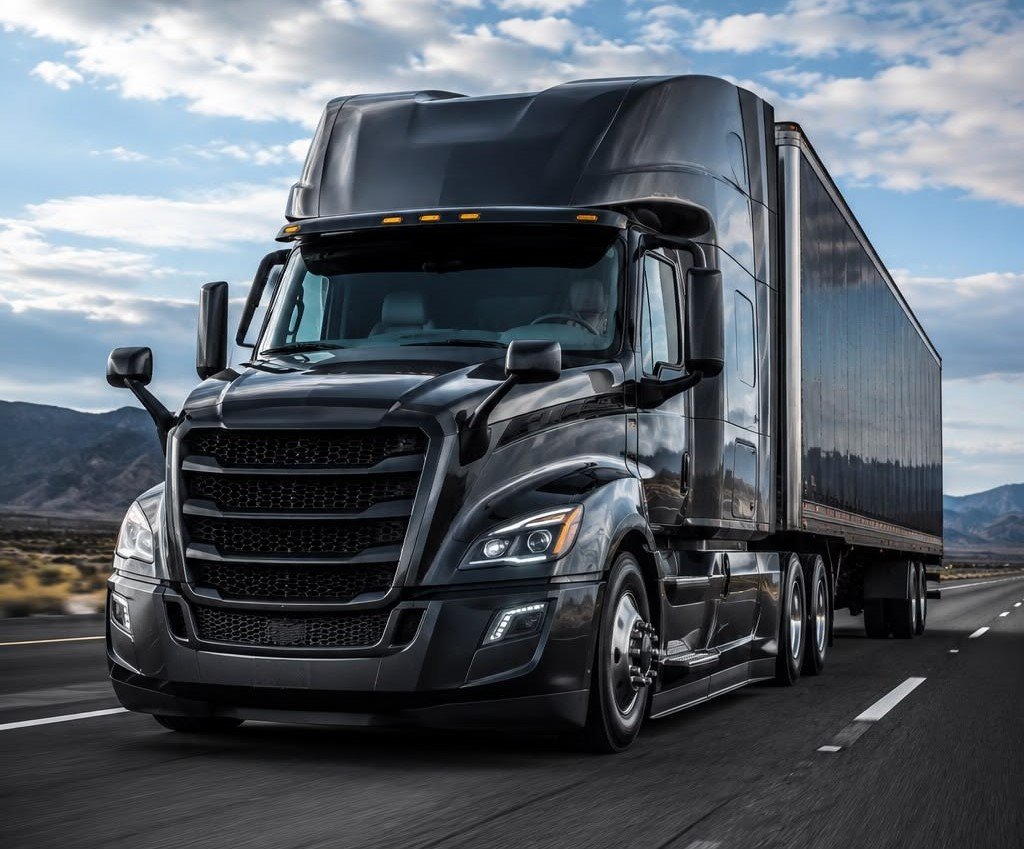
Heavy Vehicles: Types, Uses, and Importance
Introduction
Heavy vehicles are large and powerful vehicles designed to carry heavy loads, transport passengers, or perform demanding tasks. They play an important role in construction, transportation, agriculture, logistics, mining, and many other industries. Unlike ordinary cars, heavy vehicles are built with stronger engines, larger frames, and specialized systems to handle difficult working conditions.
Types of Heavy Vehicles
1. Trucks
Trucks are commonly used to transport goods and materials over short and long distances. Different trucks are designed for different purposes, such as cargo transportation, construction materials, and refrigerated goods.
2. Buses
Heavy-duty buses are designed to transport a large number of passengers. They are widely used for public transportation, school services, intercity travel, and tourism.
3. Dump Trucks
Dump trucks are mainly used in construction and mining. They can carry materials such as sand, gravel, soil, and rocks and unload them using a hydraulic lifting system.
4. Trailers and Tractor-Trailers
These vehicles are used to transport large quantities of goods across long distances. They are especially important in logistics and supply-chain operations.
5. Construction Vehicles
Vehicles such as excavators, bulldozers, cranes, and concrete mixers are essential for construction projects. They help workers perform tasks that would be difficult or impossible to complete manually.
6. Agricultural Heavy Vehicles
Tractors and other agricultural machines are used for plowing, harvesting, transporting crops, and preparing farmland. Modern agricultural vehicles improve productivity and reduce manual labor.
Importance of Heavy Vehicles
Heavy vehicles are essential for economic development. They transport raw materials to factories, deliver products to markets, support construction projects, and move people between cities. Industries such as construction, mining, agriculture, and logistics depend heavily on these vehicles.
Safety and Maintenance
Because heavy vehicles are large and powerful, proper maintenance and safe driving are extremely important. Regular engine inspections, brake checks, tire maintenance, oil changes, and electrical system inspections can help prevent accidents and breakdowns. Drivers should also receive proper training before operating heavy vehicles.
Conclusion
Heavy vehicles are an important part of modern transportation and industrial development. From trucks and buses to construction machines and agricultural tractors, these vehicles perform essential tasks every day. As technology continues to improve, heavy vehicles are becoming safer, more efficient, and more environmentally friendly.
Toyota Mark X: Complete Guide, Features, Performance & Price
The Toyota Mark X is a Japanese mid-size luxury sedan produced by Toyota. Known for its stylish design, comfortable interior, smooth performance, and rear-wheel-drive layout, the Mark X has gained popularity among car enthusiasts, especially in markets where Japanese used cars are common. It was introduced in 2004 as the successor to the Toyota Mark II and was produced in two main generations until 2019. The Mark X was offered with powerful V6 petrol engines, making it an attractive option for drivers who want a balance of comfort and sporty performance.
Toyota Mark X at a glance:
“The car has become the carapace, the protective and aggressive shell, of urban and suburban man.”
— Marshall McLuhan
Toyota Mark X: Everything You Need to Know
Toyota Mark X: A Complete Guide to the Iconic Japanese Sedan
The Toyota Mark X is a well-known Japanese sedan that combines elegant styling, comfortable driving, and impressive performance. Introduced in 2004 as the successor to the Toyota Mark II, the Mark X quickly became popular among Japanese car enthusiasts and international buyers. Its sporty appearance and rear-wheel-drive platform make it different from many ordinary family sedans.
What Makes the Toyota Mark X Special?
One of the biggest attractions of the Mark X is its engine and driving experience. Depending on the generation and trim, it was offered with V6 petrol engines, including 2.5-liter, 3.0-liter, and 3.5-liter options. These engines provide smooth power delivery and strong acceleration. The rear-wheel-drive setup also gives the car a more engaging driving character.
Design and Interior
The Toyota Mark X features a stylish exterior with sharp headlights, a distinctive front grille, and a balanced sedan profile. Inside, the cabin focuses on comfort and practicality. Depending on the trim level, features can include leather seats, automatic climate control, power seats, touchscreen infotainment, cruise control, parking sensors, and safety technologies.


Reliability and Maintenance
Toyota is known for producing durable vehicles, and the Mark X has developed a strong reputation among used-car enthusiasts. However, because many Mark X models are now older, the condition of the individual vehicle is extremely important. Buyers should check the engine, transmission, suspension, brakes, electrical systems, and maintenance history before purchasing.
Is the Mark X Still Worth Buying?
For drivers looking for a Japanese sedan with comfort, V6 performance, rear-wheel drive, and a premium feel, the Toyota Mark X remains an interesting option. Production ended in 2019, but well-maintained examples continue to attract attention in the used-car market.
Conclusion
The Toyota Mark X successfully combines performance, comfort, style, and Japanese engineering. Its distinctive character and enjoyable driving experience have helped it maintain a loyal following even after production ended.